
Zoom Whitening: Comprehensive Post-Op Instructions
Congratulations! You’ve undergone a revolutionary teeth whitening procedure; following these guidelines will help maintain your brighter‚ newly whitened smile effectively and safely.
Welcome to a brighter smile! You’ve successfully completed the Zoom Whitening process‚ a remarkably effective method for achieving a significantly whiter and more radiant dentition. This comprehensive guide details essential post-operative instructions designed to maximize your results and minimize any temporary sensitivities.
Understanding the immediate post-care requirements is crucial for maintaining the longevity of your whitening. While Zoom Whitening delivers stunning results‚ proper adherence to these guidelines will help stabilize the color and prevent potential issues like sensitivity or gum irritation. This document serves as your resource for navigating the first few days and establishing a long-term oral hygiene routine tailored to your newly whitened teeth.
We aim to ensure a comfortable and positive experience‚ so please read through these instructions carefully and don’t hesitate to contact our office with any questions or concerns. Your commitment to post-care is key to enjoying your beautiful new smile for years to come!
Understanding the Zoom Whitening Process
The Zoom Whitening procedure utilizes an advanced hydrogen peroxide gel activated by a specially designed light. This combination effectively penetrates the enamel of your teeth‚ breaking down the molecules that cause discoloration. Unlike some over-the-counter whitening options‚ Zoom Whitening is performed under professional supervision‚ allowing for controlled application and maximized results.
During the procedure‚ a protective gel is applied to your gums to minimize sensitivity. The whitening gel is then carefully applied to your teeth‚ and the Zoom light is used in multiple short intervals. This process is repeated several times to achieve the desired level of whiteness. It’s important to understand that the degree of whitening varies from person to person‚ depending on individual tooth structure and the extent of existing stains.
Post-procedure care is vital because teeth are receptive to whitening for a period after the Zoom treatment‚ making diligent adherence to instructions essential for optimal and lasting results.

Immediate Post-Procedure Sensitivities
It’s perfectly normal to experience some degree of tooth sensitivity immediately following your Zoom Whitening treatment. This sensitivity is typically temporary and a sign that the whitening process has been effective. You might notice increased sensitivity to cold temperatures‚ sweet foods‚ or even air. Gum irritation is also common‚ as the whitening gel can sometimes affect soft tissues.

This sensitivity usually subsides within a few days‚ but it can vary in intensity and duration. During this initial period‚ avoid extremely hot or cold foods and beverages. Using a soft-bristled toothbrush and gentle brushing techniques can also help minimize discomfort. If sensitivity is significant‚ over-the-counter pain relievers‚ as recommended by your dentist‚ can provide temporary relief.
Remember‚ this initial sensitivity is a temporary consequence of the whitening process and doesn’t indicate any lasting damage to your teeth.
Tooth Sensitivity: Causes & Management
Tooth sensitivity after Zoom Whitening occurs because the process temporarily dehydrates the teeth‚ opening up microscopic tubules that lead to the nerve. These tubules allow stimuli – like cold‚ heat‚ or sweetness – to reach the nerve‚ causing discomfort. Existing micro-cracks or enamel erosion can exacerbate this sensitivity. The whitening agent itself can also contribute to temporary nerve irritation.
Managing sensitivity involves several strategies. Using desensitizing toothpastes containing potassium nitrate helps block those tubules. Fluoride treatments strengthen enamel and reduce sensitivity. Avoid acidic foods and drinks‚ as they further erode enamel. Your dentist may recommend in-office fluoride applications for more significant relief.
If sensitivity persists beyond a few days‚ or becomes severe‚ contact your dentist. They can assess the situation and provide personalized recommendations to manage your discomfort and ensure optimal oral health.
Gum Irritation: What to Expect
Some degree of gum irritation is common following Zoom Whitening. The hydrogen peroxide in the whitening gel can cause mild inflammation and discomfort to the soft tissues. You might experience redness‚ soreness‚ or a slight burning sensation along the gum line‚ particularly where the gel came into contact. This is usually temporary and resolves within a few days.
To minimize gum irritation‚ avoid touching your gums with your tongue or any objects. Maintaining excellent oral hygiene – gentle brushing and flossing – is crucial‚ but avoid aggressive techniques. Using a soft-bristled toothbrush is recommended. A saltwater rinse (warm water with ½ teaspoon of salt) several times a day can soothe irritated gums.
If gum irritation is severe‚ prolonged‚ or accompanied by bleeding‚ contact your dentist immediately. They can assess the situation and provide appropriate treatment to alleviate discomfort and prevent complications.
Temporary Color Spotting (Mottling)
Following Zoom Whitening‚ you may notice temporary white spots or uneven coloration on your teeth – this is known as mottling. It occurs due to the dehydration of enamel during the whitening process‚ causing areas to reflect light differently. These spots are not permanent and typically fade within a few days to weeks as the teeth rehydrate.
Staying well-hydrated by drinking plenty of water significantly aids in the rehydration process and helps minimize mottling. Avoid acidic foods and beverages‚ as they can exacerbate the issue. Consistent and gentle oral hygiene practices are also important‚ but avoid over-brushing‚ which could further irritate the enamel.
If mottling persists beyond a few weeks‚ or if you are concerned about its appearance‚ consult your dentist. They can evaluate the situation and recommend strategies to accelerate the rehydration process and achieve a more uniform shade.
Dietary Restrictions: The First 24-48 Hours
Immediately following your Zoom Whitening treatment‚ adhering to specific dietary restrictions is crucial for optimal results and minimizing sensitivity. For the initial 24-48 hours‚ avoid all dark-colored foods and beverages that can easily stain your newly whitened teeth. This includes coffee‚ tea‚ red wine‚ cola‚ and dark juices.
Similarly‚ refrain from consuming foods with strong pigments‚ such as berries‚ soy sauce‚ tomato-based sauces‚ and brightly colored spices like turmeric. These substances can temporarily re-stain the enamel‚ diminishing the effectiveness of the whitening procedure. Opt for lighter-colored foods and beverages during this period.
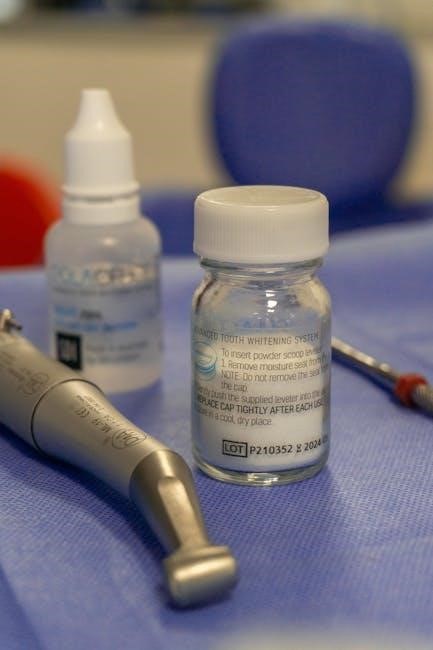
Focus on consuming soft‚ bland foods that won’t irritate your teeth or gums. Maintaining a cautious diet during these first few days will help preserve your brighter smile and ensure a comfortable recovery.
Foods to Avoid Immediately After Zoom
To protect your newly whitened teeth and minimize sensitivity‚ strict adherence to a specific food list is vital in the hours immediately following your Zoom Whitening procedure. Absolutely avoid any foods or drinks known to cause staining. This includes coffee‚ tea (black‚ green‚ herbal)‚ red wine‚ and all dark-colored sodas and juices.
Steer clear of pigmented foods like berries (blueberries‚ raspberries‚ blackberries)‚ cherries‚ tomato-based products (sauces‚ ketchup)‚ soy sauce‚ balsamic vinegar‚ and brightly colored spices like curry or turmeric. Even seemingly innocuous foods like chocolate should be avoided.
Furthermore‚ limit acidic foods such as citrus fruits and vinegar-based dressings‚ as they can exacerbate tooth sensitivity. Prioritize a white or very light-colored diet for the first 24 hours to maintain optimal whitening results and comfort.
Beverages to Avoid Immediately After Zoom
Maintaining your Zoom Whitening results requires careful consideration of beverage choices post-procedure. For the initial 48 hours‚ it’s crucial to completely avoid any drinks that could potentially re-stain your teeth or contribute to increased sensitivity. This means eliminating coffee‚ tea (all varieties‚ including herbal)‚ and dark-colored sodas.
Red wine‚ grape juice‚ cranberry juice‚ and any other deeply pigmented beverages are strictly prohibited during this sensitive period. Even seemingly harmless options like sports drinks‚ due to their acidity and coloring‚ should be avoided. Alcohol-based beverages can also cause dehydration‚ exacerbating sensitivity.
Stick to water – preferably cool‚ filtered water – as your primary source of hydration. Milk is also a suitable option as it’s a light-colored beverage. Avoid anything that isn’t clear or very pale in color to protect your investment in a brighter smile.
Maintaining Whitening Results: Long-Term Care
Achieving a brilliantly white smile with Zoom Whitening is just the first step; long-term maintenance is vital for lasting results. Consistent‚ diligent oral hygiene practices are paramount. Brush at least twice daily with a fluoride toothpaste‚ and floss once daily to remove plaque and surface stains before they set in.
Regular dental check-ups and professional cleanings – typically every six months – are essential for removing stubborn stains and monitoring your tooth health. Consider incorporating whitening toothpaste into your routine‚ but use it in moderation to avoid increased sensitivity.
Minimize consumption of staining beverages like coffee‚ tea‚ and red wine. If you do indulge‚ rinse your mouth with water afterward. Touch-up treatments with your home care trays can help maintain brightness‚ but follow your dentist’s recommendations regarding frequency and gel concentration.
Oral Hygiene Practices for Whitened Teeth
Following Zoom Whitening‚ maintaining excellent oral hygiene is crucial for preserving your brighter smile and minimizing sensitivity. Brush gently twice daily with a soft-bristled toothbrush and fluoride toothpaste. Avoid abrasive toothpastes‚ as they can damage enamel and increase sensitivity. Floss daily to remove plaque and food particles from between teeth‚ preventing surface stains.
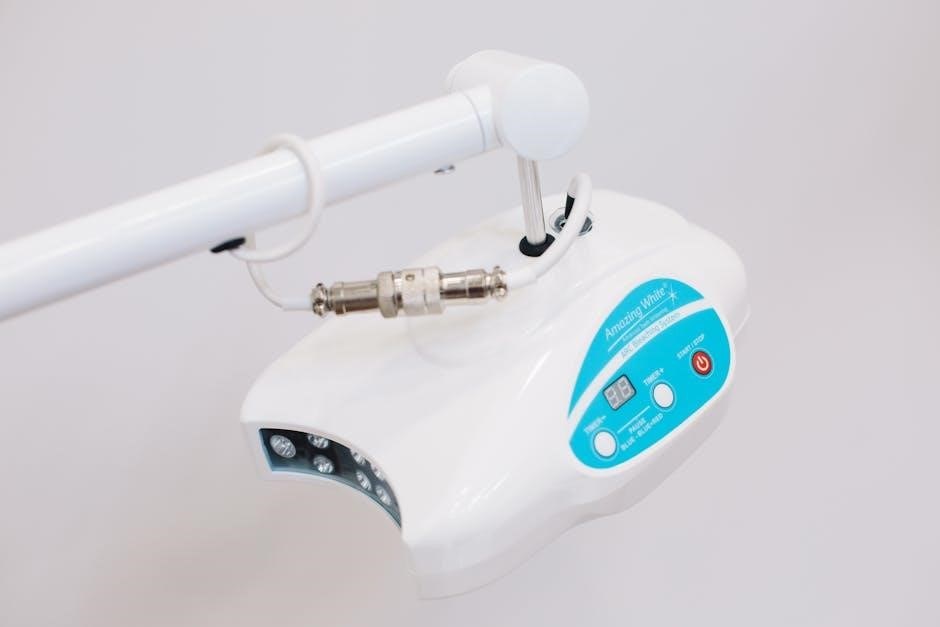
Consider using a whitening toothpaste occasionally‚ but not as your primary toothpaste‚ to avoid over-sensitizing your teeth; Rinse thoroughly after each brushing and flossing session. Pay attention to areas where staining tends to occur‚ like between teeth and along the gumline.
Regular professional cleanings are also vital. Your dentist can remove any lingering surface stains and assess your overall oral health‚ ensuring your whitening results last longer and your teeth remain healthy.
Touch-Up Treatments: When & Why
Over time‚ your teeth may gradually experience some degree of color regression after Zoom Whitening‚ due to continued exposure to staining agents like coffee‚ tea‚ and red wine. Touch-up treatments help maintain your desired shade and brightness. Typically‚ these are recommended every six to twelve months‚ but the frequency varies based on your lifestyle and habits.
If you notice your teeth becoming noticeably darker‚ or if you have a special event approaching‚ a touch-up treatment can quickly restore your smile’s brilliance. These treatments often involve using your home care trays with whitening gel for a shorter duration than the initial Zoom procedure.
Discuss a personalized touch-up schedule with your dentist to ensure optimal and lasting results‚ tailored to your specific needs and sensitivity levels.
Home Care Trays: Usage & Cleaning
Your custom-fitted home care trays are crucial for maintaining your Zoom Whitening results and managing sensitivity. After each whitening session‚ rinse the trays thoroughly with cold water to remove any remaining gel. Avoid hot water‚ as it can warp the trays. Gently brush the trays with a soft-bristled toothbrush and mild soap‚ ensuring all gel residue is eliminated.
When not in use‚ store your trays in the protective case provided to prevent damage and contamination. It’s essential to keep them clean and dry to avoid bacterial growth. Proper tray hygiene extends their lifespan and ensures effective whitening.
Always follow your dentist’s specific instructions regarding the amount of gel to use and the duration of each application. Consistent and correct usage maximizes benefits.
Proper Tray Fitting & Application
Achieving optimal whitening results and minimizing sensitivity relies heavily on correct tray fitting and application. Your trays are custom-made to precisely fit your teeth‚ ensuring even gel distribution. Before each use‚ check the trays for any cracks or damage; contact your dentist if issues arise.
To apply‚ dispense a small amount of whitening gel – as instructed by your dentist – into each tooth space within the tray. Avoid overfilling‚ as excess gel can cause gum irritation. Carefully insert the tray into your mouth‚ gently pressing it onto your teeth. Ensure a snug fit without excessive pressure.
Lightly bite down to secure the tray. If a tray feels loose or uncomfortable‚ contact your dentist for adjustments. Consistent‚ proper application is key to successful whitening.
Whitening Gel Storage & Handling
Proper storage and handling of your whitening gel are crucial for maintaining its effectiveness and ensuring optimal results. Always store the gel in a cool‚ dark place‚ away from direct sunlight and heat sources. Refrigeration is often recommended‚ but confirm with your dentist’s specific instructions.
Keep the gel tube tightly sealed when not in use to prevent oxidation and contamination. Avoid contact with metal instruments‚ as this can degrade the gel’s potency. Use only the provided applicator or a clean‚ disposable applicator for dispensing the gel into your trays.
Discard any unused gel after the recommended timeframe‚ typically a few weeks‚ or as directed by your dental professional. Never reuse gel that has been previously dispensed into a tray.
Managing Sensitivity Long-Term
While immediate post-whitening sensitivity is common‚ prolonged sensitivity requires proactive management. Consistent use of desensitizing toothpastes containing potassium nitrate or stannous fluoride is highly recommended‚ incorporating them into your daily oral hygiene routine. These toothpastes help block pain signals from reaching the nerves within your teeth.
Regular fluoride treatments‚ either through your dentist or at-home fluoride rinses‚ can strengthen enamel and reduce sensitivity. Avoid acidic foods and beverages‚ as they can exacerbate discomfort. Consider using a soft-bristled toothbrush and gentle brushing techniques to minimize irritation.
If sensitivity persists despite these measures‚ consult your dentist. They may recommend additional treatments or adjustments to your whitening regimen.
Fluoride Treatments for Sensitivity

Fluoride plays a crucial role in remineralizing tooth enamel‚ effectively reducing sensitivity post-Zoom whitening. Your dentist can apply professional-strength fluoride varnishes or gels during follow-up appointments‚ providing a concentrated dose directly to the affected areas. These in-office treatments offer a more substantial and longer-lasting effect than over-the-counter options.
At-home fluoride rinses‚ available without a prescription‚ can supplement professional treatments. Use as directed‚ typically once or twice daily after brushing. Fluoride strengthens enamel‚ making it less permeable to stimuli that cause sensitivity‚ like temperature changes or sweet foods.
Consistent fluoride application‚ combined with desensitizing toothpaste‚ is a powerful strategy for managing and minimizing long-term sensitivity following Zoom whitening.

Desensitizing Toothpastes
Desensitizing toothpastes are a cornerstone of managing tooth sensitivity after Zoom whitening. These toothpastes contain compounds like potassium nitrate or stannous fluoride‚ which work to block the transmission of pain signals from the tooth surface to the nerve. Consistent use is key – typically‚ it takes several weeks of regular brushing to notice a significant reduction in sensitivity.

Apply a pea-sized amount to your toothbrush and brush gently‚ ensuring you cover all tooth surfaces. Avoid abrasive brushing‚ as this can further irritate sensitive teeth. Consider using a soft-bristled toothbrush to minimize enamel erosion.
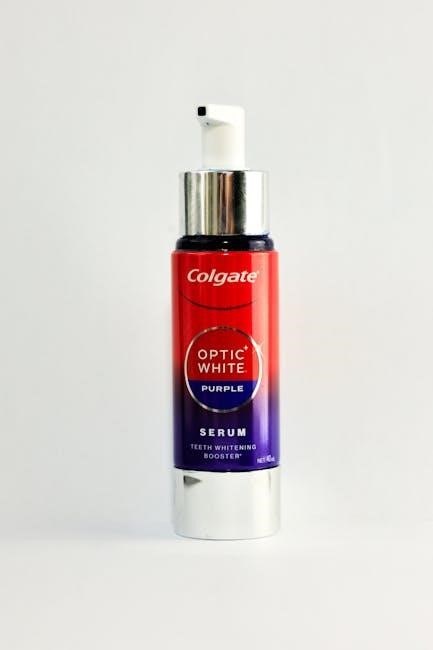
Continue using desensitizing toothpaste even after sensitivity subsides‚ as a preventative measure. It’s a simple‚ effective way to maintain comfort and protect your newly whitened smile.
Potential Side Effects & When to Contact Your Dentist
While Zoom whitening is generally safe‚ some patients experience temporary side effects. These commonly include increased tooth sensitivity and mild gum irritation‚ which usually resolve within a few days. Temporary white spots or uneven coloring (mottling) can also occur‚ typically disappearing within hours or days.
However‚ certain symptoms warrant immediate contact with your dentist. These include severe or prolonged pain‚ significant gum swelling or bleeding‚ or any unusual discomfort that doesn’t subside with home care. If you notice any signs of infection‚ such as fever or pus‚ seek dental attention promptly.
Don’t hesitate to reach out if you’re concerned about any aspect of your post-whitening experience. Your dentist is the best resource for addressing any complications and ensuring optimal results.
Unusual Pain or Discomfort
Following Zoom whitening‚ some discomfort is normal‚ typically manifesting as temporary tooth sensitivity. However‚ unusual or escalating pain requires attention. This includes pain that prevents you from eating‚ drinking‚ or sleeping comfortably‚ or pain that extends beyond your teeth to your jaw or head. Sharp‚ shooting pains are also cause for concern.
If over-the-counter pain relievers don’t provide adequate relief‚ or if the pain worsens despite following post-op instructions‚ contact your dentist immediately. Similarly‚ any persistent throbbing or a feeling that a tooth is “loose” should be reported. Don’t self-diagnose; professional evaluation is crucial.
Promptly addressing unusual pain can prevent potential complications and ensure a positive whitening experience. Your dentist can assess the cause and recommend appropriate treatment.
Prolonged Gum Irritation
Mild gum irritation is a common side effect of Zoom whitening‚ as the gums are exposed to the whitening agent. However‚ this irritation should subside within a few days. Prolonged gum irritation‚ lasting longer than a week‚ or significantly worsening despite diligent oral hygiene‚ warrants a call to your dentist.
Signs of prolonged irritation include persistent redness‚ swelling‚ bleeding‚ or the development of sores. If you experience any of these symptoms‚ discontinue using home touch-up trays and inform your dentist immediately. They can evaluate the gums for any adverse reaction and recommend appropriate treatment‚ such as a soothing fluoride application.
Ignoring prolonged gum irritation could lead to more serious issues. Early intervention is key to maintaining healthy gums and a beautiful smile.
The Role of Hydration in Post-Whitening Care
Maintaining adequate hydration is crucial for optimal post-whitening recovery and minimizing sensitivity. Water helps rehydrate teeth‚ reducing the potential for discomfort and aiding in the remineralization process. Aim to drink plenty of water throughout the day‚ especially during the first 24-48 hours after your Zoom treatment.
Equally important is avoiding drying agents like alcohol and certain mouthwashes. These substances can exacerbate tooth sensitivity and gum irritation by further dehydrating oral tissues. Opt for alcohol-free mouthwash if you feel the need to rinse‚ and prioritize water as your primary oral hydration source.
Proper hydration supports the overall healing process and contributes to the longevity of your whitening results. It’s a simple yet powerful step in your post-care routine.
Importance of Water Intake
Following your Zoom whitening procedure‚ increasing your water intake is paramount for several reasons. Water helps to flush away residual whitening agents and debris‚ minimizing potential irritation. It also rehydrates the teeth‚ which can become temporarily dehydrated during the whitening process‚ contributing to sensitivity.
Aim to drink at least eight glasses of water throughout the day‚ and even more if you experience any discomfort. Consistent hydration aids in remineralization‚ strengthening the enamel and reducing post-treatment sensitivity. Sipping water frequently‚ rather than drinking large amounts at once‚ is generally more effective.
Prioritizing water intake is a simple‚ yet highly effective‚ step in maintaining your newly brightened smile and ensuring a comfortable recovery period after your Zoom treatment.
Avoiding Drying Agents (Alcohol‚ Mouthwash)
Immediately following your Zoom whitening treatment‚ it’s crucial to avoid products containing alcohol or strong chemicals‚ particularly those found in many mouthwashes. These agents can significantly dry out your teeth‚ exacerbating sensitivity and potentially increasing discomfort. A dry oral environment also hinders the natural remineralization process‚ slowing down recovery;
Alcohol-based mouthwashes strip away saliva‚ which plays a vital role in protecting enamel and buffering acids; Opt for a fluoride rinse specifically designed for post-whitening care‚ or simply rely on thorough water rinsing after meals. Limit consumption of alcoholic beverages for the first 48 hours post-treatment.
Prioritizing a moist oral environment will contribute to a more comfortable and effective recovery‚ preserving the brightness achieved through your Zoom whitening procedure.
Understanding the Layers of Tooth Staining
Tooth discoloration isn’t a simple‚ uniform issue; staining occurs in layers. Comprehending these layers is key to understanding how Zoom whitening works and why maintenance is vital. The outermost layer contains extrinsic stains – those caused by external factors like coffee‚ tea‚ wine‚ and tobacco. These readily respond to polishing and whitening treatments.

Beneath the extrinsic layer lies the intrinsic staining‚ which resides within the tooth’s enamel. This type of staining is often caused by factors like age‚ genetics‚ medications (tetracycline)‚ or trauma. Zoom whitening effectively addresses many intrinsic stains‚ but complete removal isn’t always possible.
The whitening process primarily targets these layers‚ lifting discoloration to reveal a brighter smile. Knowing the source of your staining helps manage expectations and maintain results long-term.
Extrinsic Stains & Their Removal
Extrinsic stains are those found on the surface of the teeth‚ resulting from external sources. Common culprits include darkly colored foods and drinks like coffee‚ tea‚ red wine‚ and berries. Tobacco use also significantly contributes to extrinsic staining‚ creating a yellowish or brownish discoloration. These stains readily adhere to the enamel‚ impacting your smile’s brightness.
Fortunately‚ extrinsic stains are generally the easiest to remove. Professional dental cleanings effectively polish away much of this surface discoloration. Zoom whitening excels at lifting these stains‚ revealing the natural whiteness of the underlying enamel. However‚ consistent preventative measures are crucial.
Reducing consumption of staining beverages and quitting tobacco use will minimize future buildup. Regular brushing and flossing also help prevent extrinsic stains from forming‚ maintaining your post-whitening results.
Intrinsic Stains & Whitening Limitations
Intrinsic stains reside within the tooth structure‚ unlike extrinsic stains which are surface-level. These develop from factors like excessive fluoride intake during tooth formation (fluorosis)‚ certain medications (like tetracycline)‚ trauma‚ or the natural aging process. They are more challenging to address because they aren’t simply on the enamel.
While Zoom whitening can significantly improve the appearance of teeth with intrinsic stains‚ complete removal isn’t always possible. The degree of improvement depends on the stain’s severity and type. Whitening agents penetrate the enamel to reach these internal discolorations‚ but some deeply embedded stains may remain subtly visible.
It’s important to have realistic expectations. Your dentist will assess your specific situation and advise on the potential outcome. In some cases‚ veneers or crowns may be considered for more dramatic correction of severe intrinsic staining.