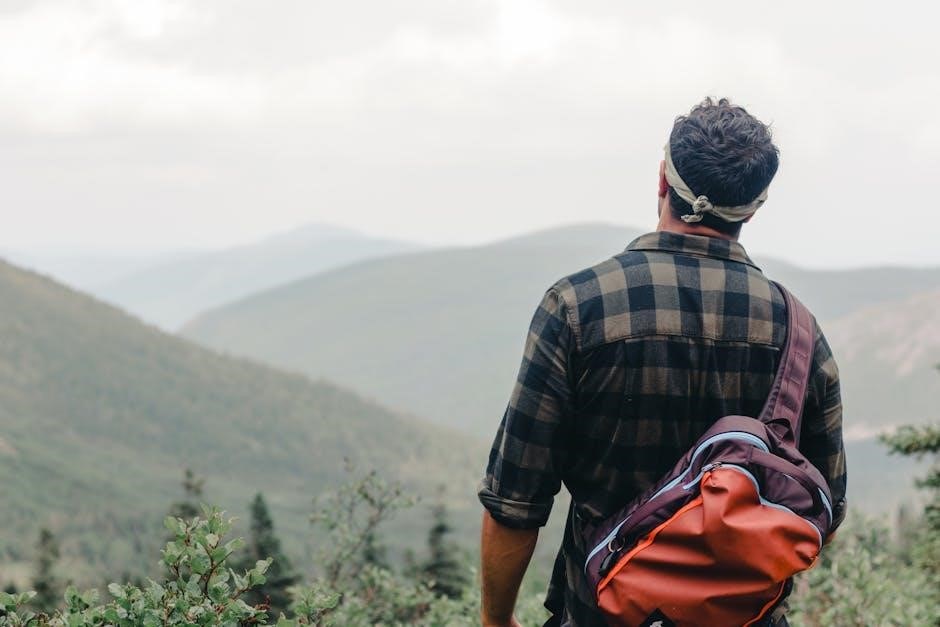
Backpacking Packing Guide: A Comprehensive Checklist
Embarking on a backpacking adventure demands careful preparation! This guide provides a detailed checklist, balancing lightweight principles with essential self-sufficiency for backcountry trips.
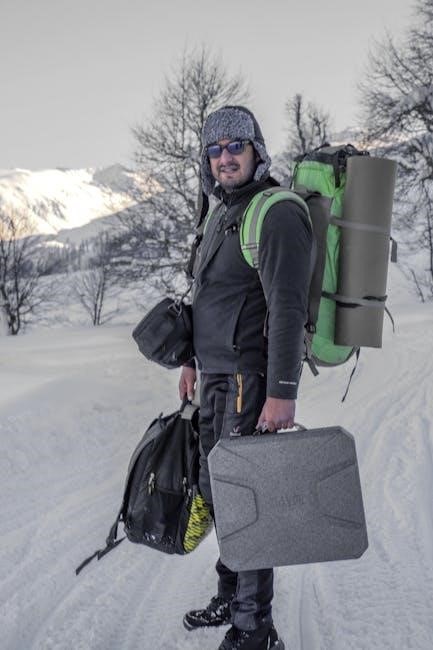
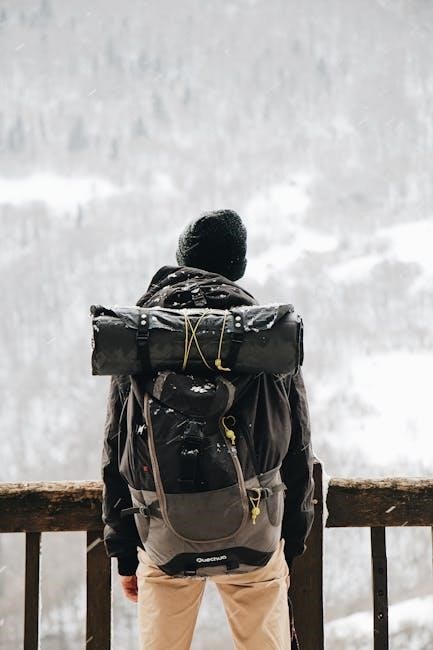
Remember, a well-planned pack—not exceeding 20% of your body weight—is crucial for enjoyment and safety on the trail.
Understanding Pack Weight and Capacity
Minimizing pack weight is paramount for a comfortable and safe backpacking experience. A general guideline suggests your fully loaded pack shouldn’t exceed 20% of your body weight, preventing strain and injury. Capacity, measured in liters, dictates how much gear your backpack can hold.
For shorter, 2-3 day trips, a 30-50 liter pack is often sufficient. Longer expeditions necessitate larger capacities, potentially exceeding 50 liters. However, resist the urge to fill extra space; prioritize essential items.
Beginners frequently overpack clothing, a common mistake to avoid. Carefully evaluate each item’s necessity, opting for versatile, lightweight alternatives. Balancing weight and preparedness is key to enjoying the wilderness!
Choosing the Right Backpack Size
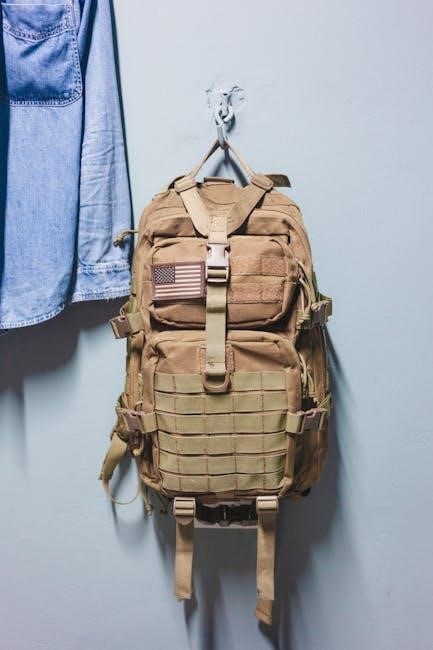
Selecting the appropriate backpack size is crucial for comfort and efficient packing. This decision hinges on trip duration and the volume of gear required. Shorter, overnight or 2-night trips generally suit packs ranging from 30 to 50 liters.
Extended adventures, spanning several days or weeks, demand larger capacities, often 50 liters and beyond. Consider your personal gear volume; some individuals require more space than others.
Proper fit is equally important. Backpacks come in various torso lengths, ensuring the weight distributes correctly. Visit an outdoor retailer for professional fitting assistance. Remember, a well-fitted, appropriately sized pack enhances your backpacking experience significantly!
Essential Backpacking Gear Categories
Backpacking gear falls into several key categories, each vital for a safe and enjoyable trip. These include shelter (tent, tarp), sleep system (sleeping bag, pad), cooking & food provisions, navigation tools (map, compass), and essential safety items like a first-aid kit.
Clothing, encompassing layering systems for varied conditions, is paramount. Personal hygiene and repair kits complete the core essentials. Prioritize lightweight, multi-functional items to minimize pack weight.
Remember, a comprehensive checklist, tailored to your specific trip and environment, is invaluable. Balancing essential gear with weight considerations is the art of successful backpacking!
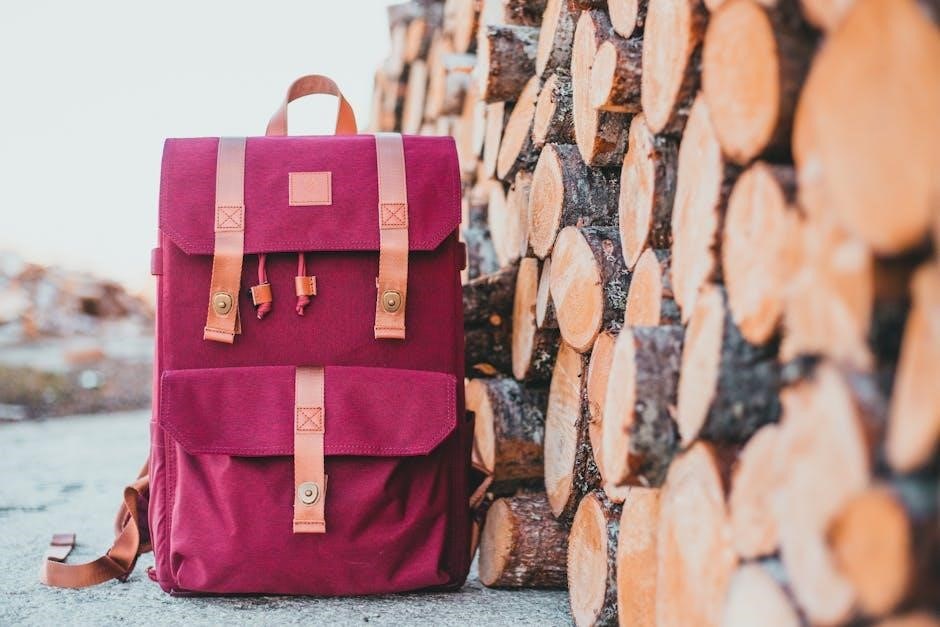
Clothing: Layering for All Conditions
Strategic clothing choices are key! Employ a layering system – base, insulating, and outer – to adapt to changing weather and maintain comfort on the trail.
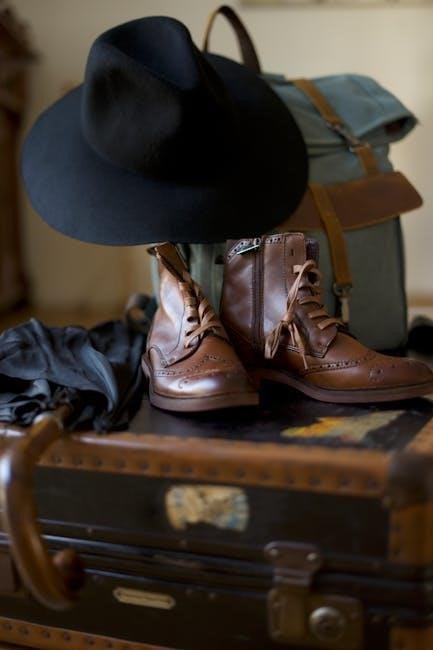
Base Layers: Moisture Management
Your foundation for comfort begins with base layers! These garments, worn next to your skin, are critical for wicking away moisture – sweat during exertion and potential dampness from the environment. Avoid cotton at all costs; it retains moisture, leading to chilling;
Instead, opt for synthetic materials like polyester or merino wool. Synthetics are excellent at quickly moving moisture away from your body, drying rapidly, and remaining lightweight. Merino wool offers natural odor resistance and warmth even when wet, making it a superb choice for multi-day trips.
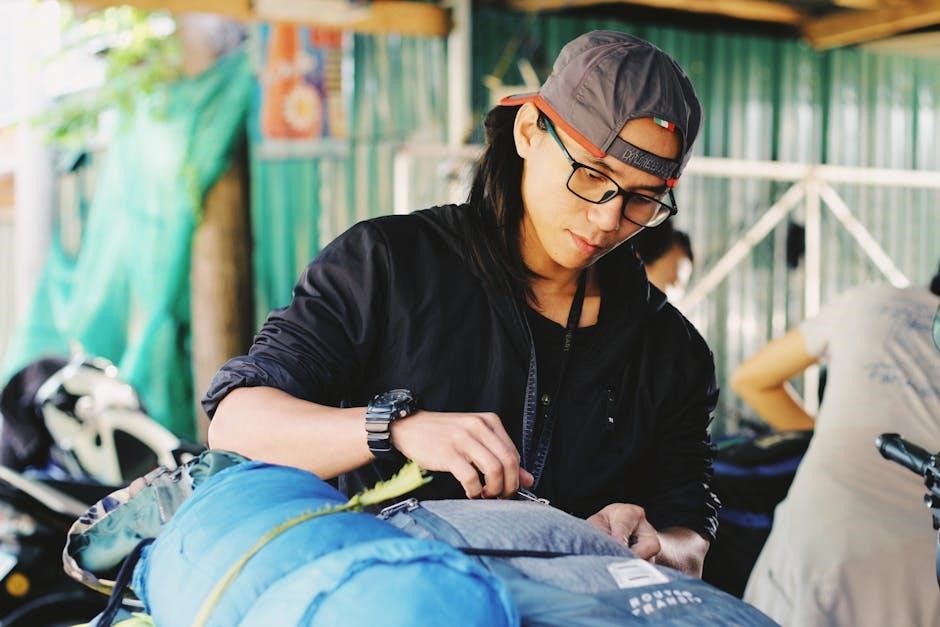
Consider both long-sleeved shirts and long underwear bottoms, even in warmer seasons, as conditions can change unexpectedly. Pack at least one, and potentially two, sets to allow for rotation and maintain dryness. Prioritize fit – snug but not constricting – to maximize wicking efficiency.
Insulating Layers: Staying Warm
Maintaining core body temperature is paramount, especially as temperatures drop! Insulating layers trap air, providing warmth without significant weight. Fleece is a popular choice – affordable, quick-drying, and offering good warmth-to-weight ratio. However, down and synthetic puffy jackets provide superior warmth for their weight.
Down offers exceptional warmth but loses its insulating properties when wet. Synthetic insulation retains some warmth even when damp, making it a reliable option in unpredictable conditions. Consider a hooded jacket for added warmth and protection.
Layering is key; a lighter puffy combined with a fleece allows for greater adaptability. Pack a dedicated insulating layer, even for summer trips, as mountain weather can change rapidly. Ensure it fits comfortably over your base and mid-layers.
Outer Layers: Protection from the Elements
Your outer layer is your shield against wind, rain, and snow! A waterproof and breathable jacket is essential, preventing moisture buildup while keeping you dry. Look for jackets with a Durable Water Repellent (DWR) finish, though this requires periodic reapplication. Consider a three-layer or 2.5-layer construction for optimal breathability and durability.
Waterproof pants are equally important, especially in wet conditions. Side zips allow for ventilation and easy on/off over boots. A rain poncho is a lightweight alternative, but offers less breathability.
Windproof layers are crucial even without rain, as windchill can significantly lower body temperature. Choose outer layers that comfortably fit over your insulating layers, allowing for full range of motion.
Shelter and Sleep System
Rest is vital! Prioritize a lightweight tent, a temperature-appropriate sleeping bag, and an insulating sleeping pad for comfortable and restorative nights in the backcountry.
Tent Selection: Lightweight Options
Choosing the right tent is paramount for comfortable backpacking. Focus on minimizing weight without sacrificing protection from the elements. Single-wall tents are often lighter, but may condense moisture. Double-wall tents offer better ventilation and weather resistance, though they typically weigh more.
Consider the tent’s capacity – a two-person tent provides extra space, while a one-person tent saves weight. Look for tents constructed from durable, lightweight materials like silnylon or Dyneema Composite Fabric. Freestanding tents are easier to set up on various terrains, while non-freestanding tents require staking and are generally lighter.
Evaluate the tent’s packed size and weight carefully, as these factors significantly impact your overall pack weight. Prioritize a tent that balances weight, durability, and weather protection to suit your specific backpacking needs and anticipated conditions.
Sleeping Bag: Temperature Rating and Fill
Selecting a sleeping bag requires careful consideration of temperature ratings and fill types. Determine the lowest temperature you expect to encounter on your trip and choose a bag rated accordingly – it’s better to err on the warmer side. Down fill offers superior warmth-to-weight ratio and compressibility, but loses insulation when wet.
Synthetic fills retain warmth even when damp, making them a good choice for wet climates. Consider the bag’s shape; mummy bags are more efficient at retaining heat, while rectangular bags offer more space.
Pay attention to the bag’s fill power (for down) or denier (for synthetic) – higher numbers generally indicate better quality and performance. A properly fitted sleeping bag is crucial for a comfortable and warm night’s sleep in the backcountry.
Sleeping Pad: Comfort and Insulation
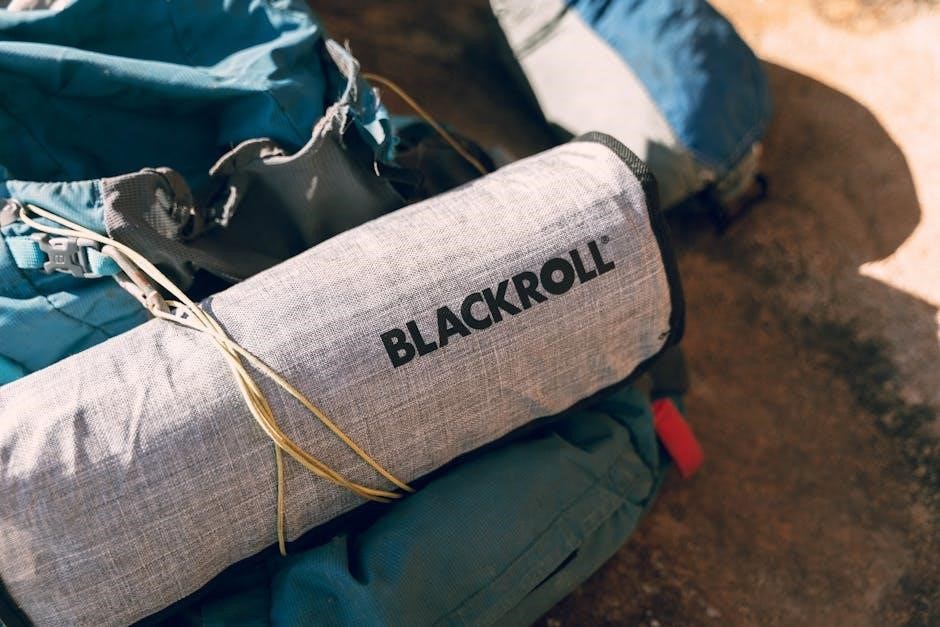
A sleeping pad is vital for both comfort and insulation from the cold ground. They significantly impact sleep quality and prevent heat loss through conduction. Options range from closed-cell foam pads – durable and affordable, but bulky – to inflatable pads, offering superior comfort and packability.
Inflatable pads utilize air or self-inflating foam, providing cushioning and insulation. R-value measures a pad’s resistance to heat flow; higher R-values indicate better insulation for colder conditions.
Consider pad length and width for optimal fit. Lightweight options prioritize packability, while thicker pads offer enhanced comfort. Don’t underestimate the importance of a good night’s sleep for enjoying your backpacking adventure!
Cooking and Food
Fuel your adventures with lightweight, nutritious food! Efficient stoves and careful meal planning are key to enjoyable backcountry cooking and sustained energy;
Stove and Fuel: Efficient Cooking
Selecting the right stove is paramount for convenient and efficient meal preparation in the backcountry. Canister stoves are popular for their ease of use and quick boiling times, making them ideal for shorter trips. However, consider liquid fuel stoves for colder temperatures or extended expeditions, as they perform more reliably in challenging conditions.
Don’t forget to pack sufficient fuel! Accurately estimate your fuel needs based on the duration of your trip, the number of meals you plan to cook, and the stove’s efficiency. Always carry a little extra fuel as a safety margin. Remember to check airline regulations if flying with fuel canisters, and store them securely to prevent leaks or damage during transport.
Wind screens are also invaluable, significantly reducing cooking time and fuel consumption by shielding the flame from gusts.
Food Planning: Lightweight and Nutritious
Strategic food planning is essential for maintaining energy levels and minimizing pack weight. Prioritize calorie-dense foods that are lightweight and require minimal preparation. Dehydrated meals are a popular choice, offering a good balance of nutrition and convenience. Consider options like instant oatmeal, pasta sides, and energy bars for quick breakfasts and lunches.
Repackage food into ziplock bags to reduce bulk and eliminate unnecessary packaging. Focus on foods rich in protein, carbohydrates, and healthy fats to fuel your activities. Don’t underestimate the morale boost of a favorite snack! Remember to account for electrolytes, especially on strenuous hikes, and pack accordingly.
Properly store food to protect it from animals and the elements.
Water Filtration/Treatment: Staying Hydrated
Maintaining adequate hydration is paramount during backpacking trips. Carrying enough water for the entire journey is often impractical due to weight, making water filtration or treatment essential. Several options exist, including pump filters, gravity filters, and purification tablets or drops. Each method has its pros and cons regarding speed, weight, and effectiveness against various contaminants.
Always research potential water sources along your route and understand their reliability. Be prepared to treat all water, even from seemingly clear streams, as it may contain harmful bacteria or viruses. Carry a sufficient water capacity – bottles or a hydration reservoir – to bridge gaps between sources.
Staying hydrated prevents fatigue and altitude sickness.
Navigation and Safety
Prioritize safety with essential tools! A map, compass, first-aid kit, and headlamp are vital for navigating and handling emergencies in the backcountry.
Map and Compass: Traditional Navigation
Despite advancements in GPS technology, a map and compass remain indispensable tools for backpackers. Relying solely on electronics can be risky, as batteries can fail, and devices can be damaged or lost. Mastering traditional navigation skills ensures you can confidently determine your location and course, even without technological assistance.
Choose a topographic map of your hiking area, understanding contour lines and key landmarks. Pair it with a reliable compass and learn how to take bearings and orient yourself. Practice these skills before your trip in a familiar environment. Knowing how to navigate effectively boosts confidence and significantly enhances safety in the wilderness, especially where cell signal is nil.
Carry the map in a waterproof case to protect it from the elements.
First-Aid Kit: Essential Supplies
A comprehensive first-aid kit is non-negotiable for any backpacking trip. Backcountry environments present unique risks, and prompt medical attention can be delayed. Your kit should address common injuries like blisters, cuts, sprains, and allergic reactions, as well as potential emergencies.
Essential supplies include bandages of various sizes, antiseptic wipes, pain relievers, blister treatment (moleskin), athletic tape, gauze pads, medical gloves, and any personal medications. Consider adding an emergency blanket and insect repellent. Familiarize yourself with the contents and how to use each item before heading out.
Knowing basic wilderness first aid techniques is highly recommended to effectively address injuries until professional help is available.
Headlamp/Flashlight: Visibility in the Dark
Navigating and functioning after sunset requires a reliable light source. A headlamp is generally preferred over a flashlight for backpacking, as it allows for hands-free operation – crucial when setting up camp, cooking, or navigating uneven terrain in the dark.
Choose a headlamp with adjustable brightness settings to conserve battery life. Bring extra batteries, or opt for a rechargeable model. A flashlight can serve as a backup. Ensure your light source is waterproof or water-resistant, given unpredictable weather conditions.
Always test your headlamp/flashlight before your trip and understand its beam distance and burn time. Visibility is paramount for safety!
Personal Items and Hygiene
Maintain personal comfort and health on the trail with minimalist essentials. Prioritize sun protection, toiletries, and a small repair kit for gear fixes.
Sun Protection: Sunscreen and Hat
Protecting your skin from the sun’s harmful rays is paramount during extended outdoor exposure. Even on cloudy days, UV radiation can penetrate and cause damage, leading to sunburn and long-term health risks.
Therefore, a broad-spectrum sunscreen with a high SPF (30 or higher) is non-negotiable. Apply liberally and frequently, especially to exposed areas like your face, neck, and hands. Don’t forget your lips – a lip balm with SPF is essential!
Complementing sunscreen, a wide-brimmed hat offers crucial shade, shielding your face, ears, and the back of your neck. Consider a hat with a neck flap for even greater protection. Lightweight, breathable materials are ideal for comfort during strenuous activity. Remember, prevention is key to enjoying your backpacking trip without the discomfort of sunburn.
Toiletries: Minimalist Approach
When backpacking, every ounce counts, making a minimalist approach to toiletries crucial. Focus on essential hygiene items and prioritize multi-purpose products to reduce weight and bulk.
A small, travel-sized toothbrush, toothpaste, and biodegradable soap are fundamental. Consider using a concentrated soap that can serve as body wash, shampoo, and even dish soap. Pack a small, quick-drying towel instead of a bulky bath towel.
Toilet paper, stored in a waterproof bag, is essential, as is a small trowel for proper waste disposal (burying human waste at least 6-8 inches deep and 200 feet from water sources). Hand sanitizer is a lightweight alternative to washing with soap and water. Remember to pack out all trash, including used toilet paper if regulations require.
Repair Kit: Fixing Gear on the Trail
Unexpected gear failures can quickly derail a backpacking trip, making a well-equipped repair kit indispensable. This isn’t about being overly prepared, but about self-reliance in the backcountry where assistance isn’t readily available.
Include durable duct tape – wrapped around a trekking pole or water bottle to save space – for countless repairs. A multi-tool or knife is essential for various tasks. Tenacious Tape is excellent for patching tents, sleeping pads, and clothing;
Carry a needle and thread for sewing rips, safety pins for temporary fixes, and cordage (paracord is ideal) for repairs or improvised solutions. Don’t forget spare buckles and zipper pulls. A small amount of seam sealer can address minor leaks in tents or rain gear.