
Modine Heater Troubleshooting Guide ⎻ Comprehensive Plan
Modine delivers reliable comfort solutions for diverse spaces, specializing in thermal management since 1916, offering innovative heating and cooling technologies for various applications․
Modine Manufacturing Company, established in 1916, has a rich history of innovation in thermal management solutions․ Initially known for the Spirex radiator for tractors, Modine has evolved into a global leader, designing purpose-built heating and cooling systems for a vast array of applications․

Today, Modine heaters are widely utilized in commercial, industrial, and residential settings, providing reliable comfort in warehouses, greenhouses, garages, and classrooms․ Their product lines, under the Commercial Coolers Solutions brand and Coiltech, address diverse needs, from HVAC/R systems to cooling power transformers and engines․
Understanding the core principles of Modine heater operation is crucial for effective troubleshooting․ These heaters employ various technologies, including electric resistance, hydronic, and forced-air systems, each with unique characteristics and potential failure points․ This guide will provide a comprehensive approach to diagnosing and resolving common issues․
Understanding Modine Heater Types
Modine offers a diverse range of heater types, each suited for specific applications and operating on different principles․ Electric resistance heaters are common for smaller spaces, providing direct heat through electrical coils․ Hydronic heaters utilize hot water or glycol circulated through a heat exchanger, ideal for larger areas and offering consistent warmth․
Forced-air heaters combine a heating element with a fan to distribute warm air, often used in industrial settings․ Coiltech industrial heat transfer products are also utilized for heating, cooling, and heat recovery in complex systems․ Understanding these distinctions is vital for accurate troubleshooting․
Each type presents unique challenges; for example, hydronic systems require checking water flow and pump operation, while electric heaters demand attention to electrical connections and element integrity․ Identifying your heater type is the first step towards effective diagnosis and repair․

Safety Precautions Before Troubleshooting
Prioritize safety when troubleshooting any Modine heater․ Always disconnect power at the breaker or fuse box before inspecting electrical components – this prevents electric shock․ If working with hydronic heaters, ensure the system has cooled down to avoid burns from hot water or surfaces․
Wear appropriate personal protective equipment (PPE), including safety glasses and gloves․ Be mindful of sharp edges or hot surfaces within the heater unit․ Never operate a heater with damaged cords or plugs․ If you smell gas, immediately shut off the gas supply and ventilate the area․
If you are uncomfortable performing any troubleshooting step, or lack the necessary expertise, consult a qualified technician․ Ignoring safety precautions can lead to serious injury or property damage․ Remember, a safe approach is paramount throughout the entire process․
Common Modine Heater Problems: Overview
Modine heaters, while reliable, can experience several common issues․ These frequently include the heater failing to turn on, often due to power supply problems or a malfunctioning thermostat․ Insufficient heat output is another prevalent concern, typically stemming from airflow restrictions or a failing heating element․
Overheating can occur if vents are blocked, or the high-limit switch is faulty, posing a safety risk․ Unusual noises during operation often indicate fan motor problems or loose components causing vibration․ For hydronic heaters, water leaks are a specific issue requiring immediate attention․
This guide will systematically address each of these problems, providing troubleshooting steps to diagnose and resolve them․ Understanding these common issues is the first step towards restoring your Modine heater’s optimal performance․
Problem 1: Heater Not Turning On
A Modine heater failing to power on is a common issue, often stemming from simple causes․ First, verify the power supply: check the circuit breaker and ensure the heater is properly plugged in․ Inspect the power cord for any damage or fraying․ If the power source is confirmed, the thermostat is the next likely culprit․
A malfunctioning thermostat may not be signaling the heater to activate․ Test the thermostat’s settings and consider replacing it if it appears faulty․ Ensure the thermostat batteries (if applicable) are fresh․
Further investigation might involve checking for blown fuses within the heater itself․ Always disconnect power before inspecting internal components․ Addressing these potential causes will often restore operation․

Possible Causes: Power Supply Issues
When a Modine heater won’t start, power supply problems are the primary suspect․ Begin by confirming the heater is securely plugged into a functioning electrical outlet; A tripped circuit breaker is a frequent cause; reset it if necessary․ Examine the circuit breaker’s amperage rating to ensure it matches the heater’s requirements․
Inspect the power cord itself for visible damage – cuts, fraying, or exposed wires․ A damaged cord presents a safety hazard and must be replaced․ Test the outlet with another device to rule out a faulty outlet․
Loose wiring connections within the heater’s housing can also disrupt power flow․ Always disconnect power before inspecting internal wiring․
Possible Causes: Thermostat Malfunction
If your Modine heater isn’t responding to temperature adjustments, a faulty thermostat is a likely culprit․ First, verify the thermostat is set to “Heat” mode and the desired temperature is higher than the current room temperature․ Ensure the thermostat batteries (if applicable) are fresh and properly installed․
A miscalibrated thermostat can provide inaccurate readings, preventing the heater from activating․ Try resetting the thermostat to its factory defaults, if the model allows․ Inspect the thermostat’s wiring connections for looseness or corrosion – disconnect power first․
Consider temporarily bypassing the thermostat (with extreme caution and electrical knowledge) to see if the heater operates directly, indicating a thermostat issue․
Problem 2: Insufficient Heat Output
Experiencing lukewarm air from your Modine heater despite it running? Several factors could contribute to insufficient heat․ This issue often stems from restricted airflow or a failing heating element․ Begin by checking for obstructions blocking the heater’s intake or exhaust vents – furniture, debris, or closed dampers can significantly reduce efficiency․

Dirty air filters are a common cause; replace them regularly for optimal performance․ If airflow isn’t the issue, the heating element itself might be nearing the end of its lifespan, or a component within the heating system could be malfunctioning․ Reduced voltage to the heater can also limit its output․
Further investigation is needed to pinpoint the exact cause․
Possible Causes: Airflow Restrictions
Reduced airflow is a frequent culprit behind insufficient heat from your Modine heater․ Obstructions blocking the intake or exhaust vents are primary concerns․ Common culprits include furniture placed too close, accumulated dust and debris, or even closed dampers within the ductwork․ Regularly inspect and clear any visible blockages․
A clogged air filter significantly restricts airflow, forcing the heater to work harder and reducing its heating capacity․ Replace air filters according to the manufacturer’s recommendations – typically every 1-3 months, or more frequently in dusty environments․ Inspect ductwork for kinks or collapses that could impede air passage․

Ensure vents are fully open and unobstructed for optimal performance․
Possible Causes: Heating Element Failure
If your Modine heater isn’t producing sufficient heat despite adequate airflow, a failing heating element is a strong possibility․ These elements, responsible for generating warmth, can degrade over time due to constant use and electrical stress․ A visual inspection might reveal physical damage like cracks or breaks, but often the failure is more subtle․
Using a multimeter to test the element’s continuity is crucial; a lack of continuity indicates a break in the heating coil․ Electrical shorts within the element can also cause insufficient heat or even trigger safety shutoffs․ Replacing a faulty heating element typically requires disconnecting power and carefully accessing the component – consult the heater’s diagram for specific instructions․
Always prioritize safety when dealing with electrical components․
Problem 3: Overheating Issues
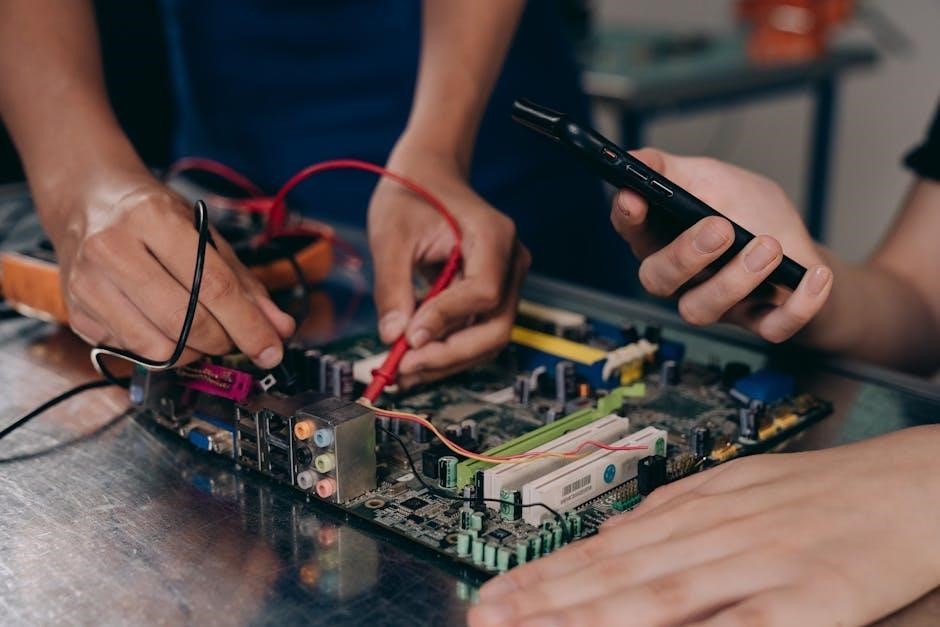
Modine heaters are equipped with safety mechanisms to prevent overheating, but issues can still arise․ Consistent overheating signals a critical problem requiring immediate attention․ One common cause is blocked vents and restricted airflow, preventing heat dissipation and causing temperatures to climb dangerously․ Inspect all intake and exhaust vents for obstructions like dust, debris, or misplaced objects․
Another frequent culprit is a faulty high-limit switch․ This switch is designed to cut power to the heating element when a pre-set temperature is reached․ If it malfunctions, the heater may continue running unchecked, leading to overheating․ Testing the switch with a multimeter can confirm its functionality․ Addressing these issues promptly is vital for safety and heater longevity․
Possible Causes: Blocked Vents & Airflow
Restricted airflow is a primary contributor to overheating in Modine heaters․ Dust, dirt, and debris accumulate over time, obstructing vents and limiting the heater’s ability to effectively dissipate heat․ This blockage forces the unit to work harder, increasing internal temperatures to unsafe levels․ Regularly inspect both intake and exhaust vents for any visible obstructions․
Ensure surrounding areas are clear of furniture, boxes, or other items that might impede airflow․ Even seemingly minor obstructions can significantly reduce efficiency․ Additionally, check the internal blower fan for dust buildup, as this can also restrict air movement․ Proper ventilation is crucial for safe and efficient heater operation, preventing potential damage and ensuring optimal performance․
Possible Causes: Faulty High-Limit Switch

Modine heaters incorporate a high-limit switch as a critical safety feature, designed to automatically shut off the unit when an unsafe temperature is reached․ A malfunctioning switch can prematurely cut power, even if the heater isn’t genuinely overheating, or – more dangerously – fail to trip at all, leading to a genuine overheating situation․ Testing the switch requires a multimeter to verify continuity․
If the switch shows no continuity when cool, it’s faulty and needs replacement․ Conversely, if it remains closed when hot, it’s also defective․ Replacing a faulty high-limit switch is a relatively straightforward repair, but always disconnect power before attempting any electrical work․ Ignoring a faulty switch poses a significant fire hazard and compromises the heater’s safety mechanisms․
Problem 4: Unusual Noises During Operation
Modine heaters, while generally reliable, can sometimes produce unusual noises during operation, signaling potential issues․ These sounds can range from humming and buzzing to rattling and squealing, each indicating a different underlying problem․ Identifying the type of noise is crucial for accurate diagnosis․ A consistent humming might point to a failing fan motor or electrical component, while rattling often suggests loose screws or panels․
Squealing sounds could indicate a worn-out fan motor bearing․ Before disassembling anything, visually inspect for obstructions․ If the noise persists, carefully listen to pinpoint its origin․ Addressing these noises promptly prevents further damage and ensures continued efficient and safe heater operation․ Remember safety first – disconnect power before any inspection․
Possible Causes: Fan Motor Problems
Fan motor issues are a frequent source of unusual noises in Modine heaters․ Over time, bearings within the motor can wear out, leading to squealing or grinding sounds․ Dust accumulation can also cause imbalance and noise․ A failing motor might hum loudly or struggle to start, reducing airflow and heating efficiency․ Electrical issues, such as a failing capacitor, can also contribute to motor malfunction and noise․
To diagnose, visually inspect the fan blades for obstructions and ensure they rotate freely․ If the motor seems stiff or makes excessive noise even when unobstructed, it likely needs replacement․ Always disconnect power before inspecting or attempting any repairs to the fan motor․ Professional assistance is recommended for electrical component troubleshooting․
Possible Causes: Loose Components & Vibration
Modine heaters, subjected to operational vibrations, can develop loose components over time․ This often manifests as rattling or buzzing sounds during operation․ Common culprits include loose screws securing the fan housing, access panels, or the heating element itself․ Vibration can also loosen internal wiring connections, creating intermittent electrical issues and noise․ Inspecting for loose parts is a crucial step in troubleshooting․
Begin by visually examining the heater’s exterior for any visibly loose screws or panels․ Gently tighten them, ensuring not to overtighten․ If the noise persists, carefully inspect internal components, after disconnecting power, for any signs of looseness․ Addressing these issues promptly can prevent further damage and restore quiet operation․
Problem 5: Water Leaks (For Hydronic Heaters)
Modine hydronic heaters, utilizing water as a heat transfer medium, are susceptible to leaks over time․ These leaks can originate from several points, including corroded fittings, damaged hoses, or a failing heat exchanger․ Identifying the source is critical․ Look for visible water pooling around the heater or dampness on surrounding surfaces․
Carefully inspect all connections, hoses, and the heat exchanger itself for signs of corrosion or cracks․ Tighten loose fittings, but avoid excessive force․ If a hose is damaged, replace it immediately․ A leaking heat exchanger often indicates internal corrosion and may require professional repair or replacement․ Always disconnect power and water supply before attempting any repairs․ Ignoring leaks can lead to water damage and reduced heating efficiency․
Advanced Troubleshooting: Using a Multimeter
Employing a multimeter elevates Modine heater troubleshooting beyond basic checks․ First, ensure the heater is disconnected from power․ Use the multimeter to verify voltage at the power supply, confirming it matches the heater’s specifications․ Check continuity across the heating element; a lack of continuity indicates a break․ Test the thermostat for proper operation, verifying it opens and closes the circuit as expected․
Inspect wiring for shorts or open circuits․ Measure resistance in the fan motor to identify potential winding issues․ A multimeter helps pinpoint electrical faults invisible to the naked eye․ Remember safety: improper use can be hazardous․ If unfamiliar with multimeter operation, consult a qualified technician․ Accurate readings are crucial for effective diagnosis and repair․
Locating Modine Heater Parts & Diagrams
Finding replacement parts and accurate diagrams is vital for successful Modine heater repair․ Modine’s official website is a primary resource, often providing exploded views and part numbers for various models․ Online HVAC parts retailers frequently stock Modine components, searchable by model number․ Searching using the heater’s serial number ensures compatibility․
Technical documentation, including wiring diagrams, can sometimes be found on specialized HVAC forums or through Modine’s support channels․ Always verify the diagram matches your specific heater model․ When ordering parts, double-check specifications to avoid incorrect replacements․ Proper diagrams streamline repairs, while readily available parts minimize downtime and ensure lasting performance․
Preventative Maintenance for Modine Heaters
Regular preventative maintenance extends the lifespan and efficiency of your Modine heater․ Annually inspect and clean air filters to ensure optimal airflow, preventing strain on the heating element and fan․ Check for and remove any debris obstructing vents or the heater’s exterior․ Inspect wiring connections for looseness or corrosion, tightening or replacing as needed․
For hydronic heaters, periodically check water levels and inspect for leaks․ Modine recommends professional inspection every few years, especially for complex systems․ Maintaining clean coils improves heat transfer․ Proactive maintenance minimizes breakdowns, reduces energy consumption, and safeguards against costly repairs, ensuring consistent and reliable heating performance․
When to Call a Professional Technician
Attempting complex repairs without proper training can be dangerous and void warranties․ Immediately contact a qualified technician if you suspect a gas leak, electrical fault, or encounter issues beyond your expertise․ Persistent overheating, even after clearing vents, requires professional attention․ Similarly, if the heater fails to respond to basic troubleshooting steps, a technician’s diagnosis is crucial․
Modine recommends professional service for hydronic heater repairs, especially those involving the plumbing or burner system․ Don’t hesitate to seek expert help for unusual noises, recurring problems, or any situation that compromises safety․ A skilled technician can accurately diagnose the issue and perform necessary repairs, ensuring your heater operates safely and efficiently․
Resources & Modine Support Contact Information
For comprehensive support and detailed product information, visit the official Modine website․ There, you’ll find extensive documentation, frequently asked questions, and downloadable resources, including parts diagrams․ Modine’s commitment extends to providing readily accessible assistance for all their thermal management solutions․
To connect directly with a Modine support representative, consult their website for current contact details, including phone numbers and email addresses․ Coiltech industrial heat transfer product support is also available through authorized distributors․ Remember to have your heater’s model and serial number ready when contacting support for efficient assistance․ Modine strives to deliver exceptional customer service and ensure your satisfaction․