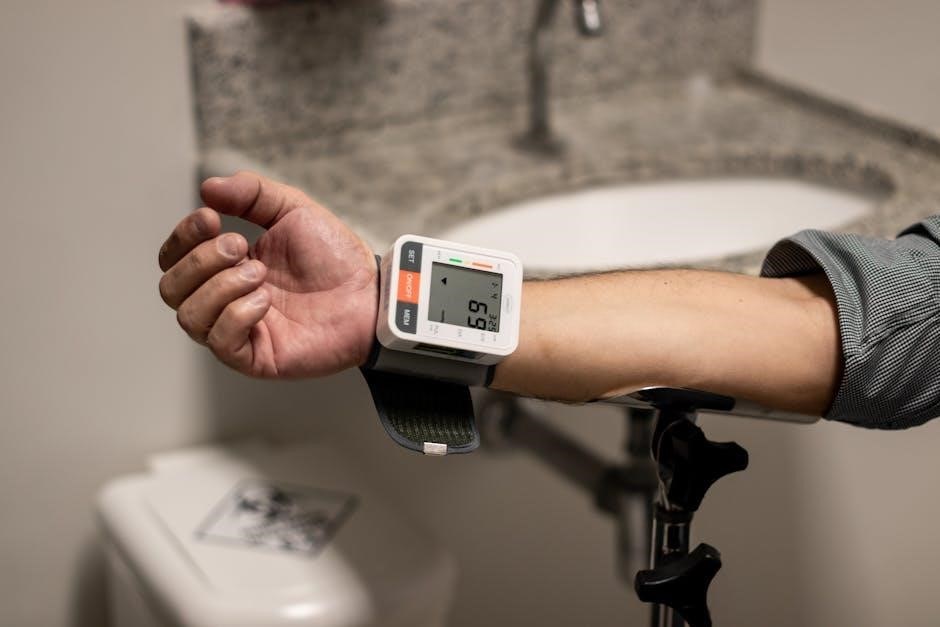
What is a Vital Signs Sheet PDF?
Vital signs sheets in PDF format are crucial documents used by healthcare professionals for recording and monitoring patient health data efficiently.
These standardized forms track essential bodily functions, ensuring consistent and accurate patient assessments within clinical settings.
Definition and Purpose
A vital signs sheet PDF is a pre-formatted document, typically in Portable Document Format, designed for the systematic recording of a patient’s core physiological measurements.
Its primary purpose is to provide a concise, organized, and readily accessible snapshot of a patient’s current health status.
This includes tracking key indicators like temperature, pulse rate, respiration rate, blood pressure, pain levels, and oxygen saturation.
The PDF format ensures the document’s appearance remains consistent across different devices and platforms, facilitating clear communication among healthcare team members and maintaining data integrity for accurate patient care and historical analysis.
Importance in Healthcare Settings
Vital signs sheets are fundamentally important in all healthcare settings, from hospitals and clinics to emergency rooms and nursing homes.
They enable healthcare professionals to quickly assess a patient’s condition, detect subtle changes, and respond appropriately.
Consistent monitoring via these sheets aids in early detection of deterioration, allowing for timely intervention and potentially preventing adverse events.
PDF format ensures standardized data collection, improving communication and collaboration among staff. Accurate documentation supports legal and regulatory compliance, and contributes to effective patient care pathways.
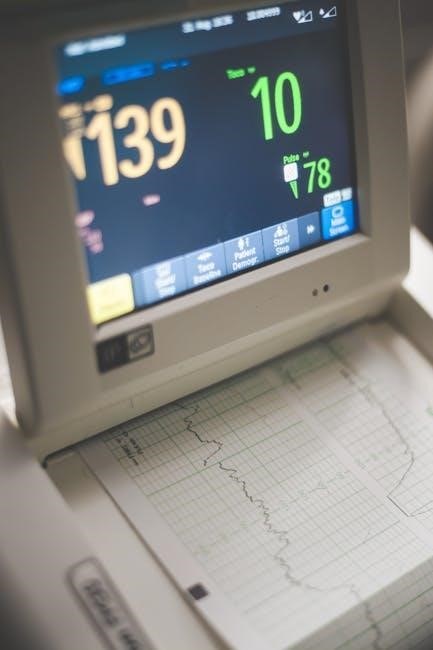
Key Vital Signs Tracked
Vital signs sheets systematically record body temperature, pulse rate, respiration rate, blood pressure, pain levels, and oxygen saturation for comprehensive assessment.
Body Temperature
Body temperature, a core vital sign, reflects the body’s heat production and dissipation. Vital signs sheets dedicate a specific field for recording this measurement, typically in Fahrenheit or Celsius. Accurate temperature documentation is critical for identifying fever, a common sign of infection, or hypothermia, indicating a potentially dangerous drop in body heat.
Nurses and clinicians utilize various methods – oral, rectal, axillary, or tympanic – to obtain temperature readings, noting the method used on the sheet. Consistent monitoring helps track a patient’s response to treatment and detect changes indicative of worsening or improving health status. Proper recording ensures continuity of care.
Pulse Rate (Heart Rate)
Pulse rate, or heart rate, measures the number of times the heart beats per minute, indicating cardiovascular function. Vital signs sheets include a designated space to record this value, typically assessed by palpating the radial or apical pulse. Normal ranges vary, but generally fall between 60-100 bpm for adults.
Documenting pulse rate alongside rhythm (regular or irregular) provides a comprehensive assessment. Elevated rates can signal fever, dehydration, or anxiety, while lower rates may indicate medication effects or underlying heart conditions. Accurate pulse documentation is vital for monitoring patient stability and response to interventions.
Respiration Rate
Respiration rate, the number of breaths a person takes per minute, is a key indicator of respiratory function and overall health. Vital signs sheets dedicate a specific field for recording this measurement, often observed by counting chest rise and fall. A normal adult respiration rate typically ranges from 12-20 breaths per minute.
Alongside the rate, observing the depth and quality of respirations (e.g., shallow, labored, or normal) is crucial. Deviations from the normal range can signify respiratory distress, anxiety, or underlying medical conditions. Consistent monitoring and documentation of respiration rate are essential for early detection of potential problems.
Blood Pressure
Blood pressure, measured in millimeters of mercury (mmHg), represents the force of blood against artery walls. Vital signs sheets prominently feature fields for both systolic (pressure during heart contraction) and diastolic (pressure during heart relaxation) readings. Normal blood pressure generally falls below 120/80 mmHg.
Accurate measurement requires a properly fitted cuff and standardized technique. Consistent monitoring helps identify hypertension (high blood pressure) or hypotension (low blood pressure), both potentially serious conditions. Documentation on the sheet includes the arm used and patient positioning, ensuring reliable data for informed clinical decisions.
Pain Level
Pain assessment is a subjective, yet critical, vital sign documented on vital signs sheets. Commonly utilizing a numerical rating scale (0-10, with 0 being no pain and 10 being the worst imaginable pain), these sheets allow patients to quantify their discomfort.
Detailed notes regarding pain location, character (sharp, dull, aching), and alleviating/aggravating factors are also essential. Consistent pain level tracking helps evaluate treatment effectiveness and guides appropriate interventions. Accurate documentation ensures comprehensive patient care and supports effective communication among healthcare providers.
Oxygen Saturation (SpO2)
Oxygen saturation (SpO2), a key vital sign recorded on vital signs sheets, measures the percentage of hemoglobin carrying oxygen in the blood. Typically assessed using a pulse oximeter, normal SpO2 levels generally range from 95% to 100%.
Values below 90% may indicate hypoxemia, requiring intervention. Documentation includes the SpO2 reading and whether it was measured on room air or supplemental oxygen. Consistent monitoring is crucial for patients with respiratory conditions. Accurate SpO2 recording aids in early detection of respiratory distress and informs appropriate clinical decisions.

Components of a Standard Vital Signs Sheet
Standard vital signs sheets typically include patient demographics, date/time, dedicated fields for each vital sign, and a notes section for observations.
Patient Demographics Section
The patient demographics section is a fundamental component of any vital signs sheet, ensuring accurate identification and record-keeping. This area typically includes essential details such as the patient’s full name, date of birth (DOB), medical record number (MRN), and gender.
Sometimes, additional information like allergies or emergency contact information may also be included. Accurate demographic data is vital for preventing errors and ensuring the correct patient receives the appropriate care. Proper identification is paramount in healthcare, and this section facilitates that crucial process, linking vital signs data directly to the individual patient.
Date and Time of Measurement
Recording the date and time of each vital sign measurement is absolutely critical for tracking patient status and identifying trends. This section ensures a chronological record of observations, allowing healthcare providers to assess changes over time.
Typically, dedicated fields are provided for both date and time, often utilizing a standardized format (e.g., MM/DD/YYYY HH:MM). Accurate timestamps are essential for evaluating the effectiveness of interventions and making informed clinical decisions. Consistent documentation of measurement times supports effective communication among the healthcare team.
Dedicated Fields for Each Vital Sign
Standard vital signs sheets feature specifically designated areas for recording each measurement. These dedicated fields ensure clarity and prevent errors during data entry. Typically, separate spaces are provided for body temperature, pulse rate, respiration rate, blood pressure (systolic and diastolic), pain level, and oxygen saturation (SpO2).
These fields may be formatted as blank lines, boxes, or tables. Some sheets include units of measurement (e.g., °F or °C for temperature, bpm for pulse) to promote consistency. Clear labeling of each field is vital for accurate and efficient documentation.
Notes/Comments Section
A crucial component of any vital signs sheet PDF is the notes/comments section. This area allows healthcare professionals to document any relevant observations or contextual information related to the patient’s vital signs.

This might include details about the patient’s condition during measurement, factors influencing readings (like activity or medication), or any interventions performed. The notes section provides a space for subjective assessments and helps create a more complete picture of the patient’s health status. Thorough documentation in this section is essential for effective communication and continuity of care.

Types of Vital Signs Sheets
Vital signs sheets vary, including basic charts, NEWS2 charts for early warning scoring, and flowsheets designed for continuous, detailed patient monitoring.
Basic Vital Signs Chart
Basic vital signs charts represent the foundational tool for healthcare professionals, offering a straightforward method to document a patient’s core physiological measurements.
Typically, these charts include dedicated sections for recording body temperature, pulse rate, respiration rate, blood pressure, and often, a subjective assessment of pain level.
These charts are frequently utilized for initial patient assessments and routine monitoring, providing a clear snapshot of a patient’s current condition.
They are easily adaptable and printable, making them a versatile option for various healthcare environments, and serve as a building block for more complex monitoring systems.
NEWS2 Chart (National Early Warning Score)
NEWS2 charts, a sophisticated evolution of basic vital signs tracking, are designed for early detection of deteriorating patients within healthcare settings.
This system assigns a numerical score based on physiological measurements – including respiration rate, oxygen saturation, temperature, systolic blood pressure, pulse rate, and level of consciousness.
The aggregated NEWS2 score triggers specific clinical responses, ranging from increased monitoring to urgent intervention, ensuring timely care.
Utilizing a standardized scoring system improves communication and facilitates rapid response to acutely unwell patients, ultimately enhancing patient safety and outcomes.
Flowsheets for Continuous Monitoring
Flowsheets are vital signs sheets specifically designed for frequent and ongoing patient assessment, often utilized in intensive care or post-operative settings.
These charts feature columns representing time intervals – typically hourly or more frequent – allowing healthcare staff to document vital signs trends over a sustained period.
This continuous data capture enables early identification of subtle changes in a patient’s condition, facilitating proactive intervention and preventing potential complications.
Flowsheets promote a comprehensive view of patient stability and are crucial for managing critically ill individuals requiring close observation.

PDF Format Advantages
PDFs offer portability, accessibility, and standardization for vital signs sheets, ensuring consistent viewing across devices and preventing unwanted alterations.
Portability and Accessibility
PDF format significantly enhances the portability of vital signs sheets, allowing healthcare professionals to easily access and share patient data across various locations and devices.
Whether on tablets during bedside rounds, laptops in the office, or printed copies for offline reference, PDFs maintain consistent formatting. This accessibility is vital for seamless communication and collaboration among medical teams.
Furthermore, PDF readers are widely available and often pre-installed on computers and mobile devices, eliminating the need for specialized software and ensuring broad accessibility for all users involved in patient care.
Standardization and Consistency

PDF format promotes standardization in vital signs documentation, ensuring all healthcare providers utilize the same layout and fields for data collection.
This consistency minimizes errors and ambiguities, leading to more accurate and reliable patient records. Utilizing pre-designed PDF templates guarantees that essential information is always captured, regardless of who is completing the form.
This uniformity is particularly crucial in larger healthcare organizations and during patient handoffs, fostering clear communication and reducing the risk of misinterpretation of critical vital sign data.
Security and Data Integrity
PDF files offer enhanced security features, protecting sensitive patient information recorded on vital signs sheets. Passwords and encryption can be applied to restrict access, safeguarding confidentiality and complying with healthcare regulations like HIPAA.
Furthermore, the PDF format ensures data integrity; once a sheet is saved, its content is less susceptible to accidental modification or unauthorized alterations compared to editable document formats.
This immutability is vital for maintaining a reliable audit trail and supporting accurate medical decision-making, providing a trustworthy record of patient vital signs over time.

Where to Find & Download Vital Signs Sheet PDFs
Vital signs sheet PDFs are readily available online through various sources, including template websites, hospital resources, and free printable options for healthcare use.
Online Templates (e.g., Word, Google Docs compatible)
Numerous websites offer downloadable vital signs chart templates, often in formats like .DOCX, compatible with Microsoft Word and Google Docs. These templates provide a convenient starting point for healthcare professionals needing customizable forms.
Users can easily edit these documents to fit specific requirements, adding or modifying fields as needed. Many sites boast professional, editable, and high-quality formats, ideal for maintaining accurate patient records. Searching for “vital signs chart template” yields a wealth of options, including blank sheets and flows for daily monitoring.
This accessibility allows for quick implementation and adaptation within various healthcare settings, streamlining the documentation process.
Hospital/Clinic Specific Forms
Many hospitals and clinics utilize proprietary vital signs sheets tailored to their specific protocols and Electronic Health Record (EHR) systems. These forms often integrate directly with the facility’s digital infrastructure, streamlining data entry and reducing errors.
Such customized sheets may include pre-populated patient information, specific assessment scales, or standardized documentation procedures. Access to these forms is typically restricted to authorized personnel within the healthcare organization.
These specialized charts ensure consistency in data collection and reporting across the institution, supporting quality improvement initiatives and patient safety protocols. Obtaining these forms usually requires internal access or request through designated channels.
Free Printable Options
Numerous websites offer free, downloadable vital signs sheet PDFs suitable for basic patient monitoring. These templates typically include sections for temperature, pulse, respiration, blood pressure, pain level, and oxygen saturation.
While convenient, it’s crucial to verify the source’s reliability and ensure the form meets basic documentation standards. These printable options are ideal for smaller clinics, home healthcare, or educational purposes.
However, remember that free templates may lack the customization or EHR integration features found in professional or hospital-specific forms. Always prioritize patient safety and data accuracy when utilizing these resources.

Using and Customizing Vital Signs Sheets
Vital signs sheets support both manual data entry and EHR integration, offering flexibility. Customization allows tailoring to specific patient needs and clinical workflows.
Manual Data Entry
Manual data entry on vital signs sheets remains a common practice, particularly in settings with limited technological infrastructure or during emergency situations. Healthcare professionals directly record observations – temperature, pulse, respiration, blood pressure, pain levels, and oxygen saturation – into the designated fields of the PDF form.
This method requires careful handwriting and attention to detail to ensure accuracy and legibility. While seemingly straightforward, it’s prone to human error. Proper training and standardized documentation protocols are essential to minimize mistakes. Completed forms are then typically filed into patient charts, providing a physical record of vital sign trends over time.
Despite the rise of electronic systems, manual entry offers a readily available and accessible solution for vital sign monitoring.
Electronic Health Record (EHR) Integration
EHR integration represents a significant advancement in vital signs documentation, moving beyond traditional PDF forms. Modern healthcare facilities increasingly utilize EHR systems to digitally record and store patient data, including vital signs.
Instead of manual entry, data from monitoring devices can often be automatically uploaded directly into the EHR, reducing errors and saving time. Some systems allow for scanned PDF vital signs sheets to be attached to the patient’s electronic record for a hybrid approach.
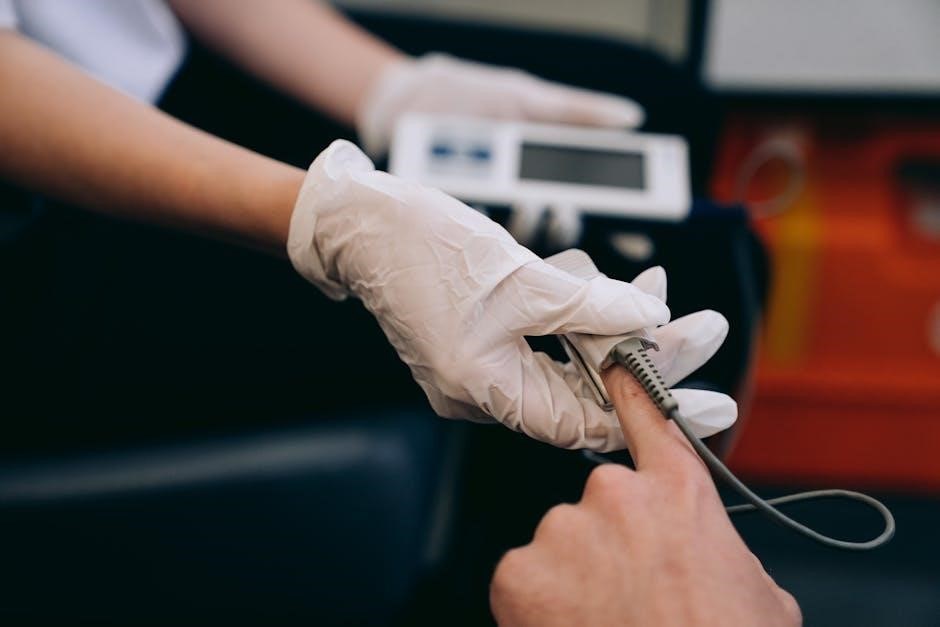
This integration facilitates seamless data sharing, improved care coordination, and enhanced data analysis for better patient outcomes.
Customization for Specific Patient Needs
Vital signs sheets, even in PDF format, aren’t always “one-size-fits-all”. Healthcare providers often need to adapt these forms to address unique patient circumstances.
Customization might involve adding fields for specific medications, allergies, or pre-existing conditions that impact vital sign interpretation. For patients with chronic illnesses, additional monitoring parameters may be required.
While some PDF editors allow direct form modification, others may necessitate using a template as a base and adding notes or supplemental documentation. Tailoring the sheet ensures comprehensive and relevant data collection.