
Discover how printable acid reflux diet PDFs simplify symptom management․ These guides combine low‑acid recipes, portion control, and meal timing, offering a structured 7‑day plan that quickly calms heartburn․ Downloadable PDFs let you track progress and personalize meals for lasting relief․Stay informed․Now!
What is GERD and its dietary impact?
Gastro‑esophageal reflux disease (GERD) is a chronic disorder in which stomach contents, especially acid, flow back into the esophagus, producing symptoms such as heartburn, regurgitation, sore throat, and cough․ The condition affects millions worldwide and can severely impair daily functioning, sleep quality, and overall well‑being․ A key factor in managing GERD is the diet, because the composition and timing of meals directly influence gastric acidity, esophageal exposure, and lower esophageal sphincter tone․ Foods that are high in fat or that stimulate gastric acid secretion can increase the likelihood of reflux events, while bland, easily digestible items tend to promote a more neutral gastric environment․ Additionally, the size and frequency of meals alter gastric pressure; large, late dinners or overeating can raise intra‑abdominal pressure and encourage acid to travel upward․ By recognizing how different dietary patterns affect acid production and esophageal irritation, patients can make informed choices that reduce symptom frequency and severity․ Structured dietary guidance that accounts for these physiological interactions can provide substantial relief, lessen reliance on medication, and improve quality of life for those living with GERD․ Recent epidemiological studies estimate that up to 20% of adults experience GERD symptoms at least once a week, and the prevalence rises with age․ Chronic exposure to acid can damage the esophageal lining, leading to complications such as esophagitis, strictures, or Barrett’s esophagus․ Beyond physical discomfort, GERD often leads to psychological distress, anxiety, and reduced productivity․ Dietary interventions, when tailored to individual tolerance, have been shown in randomized trials to reduce symptom burden by up to 50% compared to standard care alone․ These interventions typically emphasize meal composition, timing, and portion size, rather than relying solely on pharmacologic therapy․ By integrating evidence‑based nutritional strategies, patients can achieve better symptom control, improve sleep patterns, and potentially lower the long‑term risk of esophageal complications․ Engaging with a personalized dietary plan empowers patients to take control of their symptoms and fosters long‑term health benefits․ Healthcare professionals often recommend a gradual transition to a diet that supports gastric neutrality, encouraging patients to monitor how specific foods affect their reflux episodes․ Consistent adherence to such dietary modifications can lead to measurable improvements in esophageal pH monitoring and a reduction in medication usage․
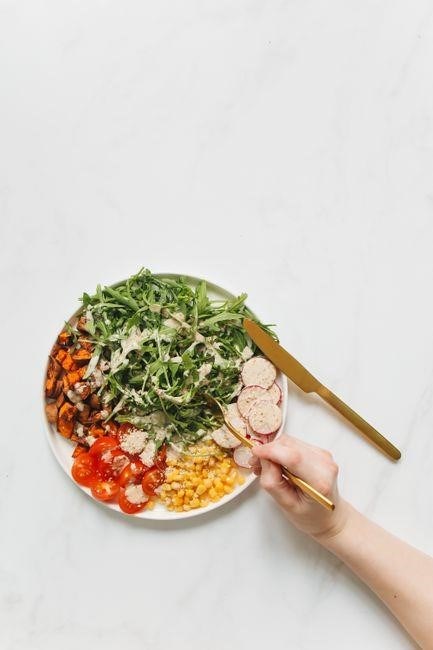
Benefits of a Printable Diet Plan PDF
A printable acid reflux diet PDF delivers a clear, structured 7‑day menu that eliminates guesswork and aligns every meal with low‑acid guidelines․ By avoiding common triggers—citrus, tomato, spicy foods, and chocolate—patients can reduce reflux episodes and experience faster symptom relief․ The visual layout makes it easy to locate breakfast, lunch, dinner, and snack options, even during a busy day․
Tracking progress is another key benefit․ Many PDFs include a symptom log where users note severity before and after meals․ Over weeks, this data helps identify patterns, allowing doctors to tailor recommendations․ The printable format also means the plan can be kept in a kitchen drawer or shared with family, fostering a supportive environment that encourages adherence․
Customization and cost‑effectiveness round out the advantages․ Blank sections or editable fields let users adjust portions or accommodate dietary restrictions like gluten or lactose intolerance․ The PDF can be printed multiple times or stored digitally, making it a lifelong resource that eliminates recurring subscription fees and ensures consistent, evidence‑based relief from acid reflux!!
Common Triggers and How PDFs Address Them
Acid reflux symptoms often flare when certain foods and habits provoke stomach acid․ The most frequent culprits include spicy sauces, citrus juices, chocolate, caffeine, alcohol, high‑fat meals, oversized portions, late‑night snacking, smoking, and stress․ A well‑designed PDF diet plan tackles each trigger with practical, evidence‑based strategies․
- Spicy & Fatty Foods: The PDF lists low‑fat substitutes—baked chicken, steamed veggies, whole‑grain breads—to replace high‑fat options․
- Citrus & Acidic Fruits: Instead of orange or grapefruit, the guide recommends bananas, apples, and melons․ It also shows how to prepare fruit salads that keep pH balanced․
- Chocolate, Coffee, & Alcohol: The plan offers decaf coffee, herbal teas, and dark chocolate (70% cocoa) as alternatives, with timing cues to consume them earlier in the day․
- Large Portions & Late Meals: A printable portion chart and a 2‑hour eating window reminder help users avoid overeating and reduce nighttime reflux․
- Smoking & Stress: The PDF includes quick breathing exercises, mindfulness prompts, and a smoking‑cessation checklist to mitigate reflux triggers․
Each section is accompanied by a printable checklist that users can tick off daily, ensuring consistent adherence․ The customizable template allows individuals to replace any listed item with a personal low‑acid alternative, making the plan both comprehensive and flexible․
Adhere daily․
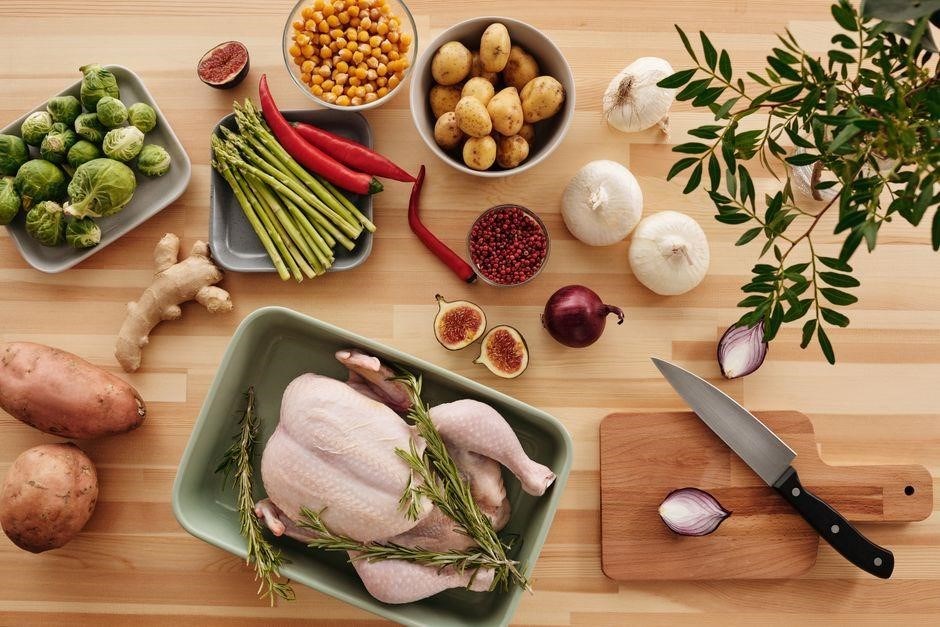
Key Features of an Effective Acid Reflux Diet PDF
Effective PDFs feature a 7‑day structure, low‑acid meals, gut‑nourishing recipes, portion control, timing guidelines, and customizable templates․ They provide clear charts, trigger lists, and printable layouts for easy tracking and personalization․ Today!
Seven-Day Meal Structure
The Seven‑Day Meal Structure in an acid reflux diet PDF offers a clear, day‑by‑day roadmap that balances low‑acid foods with nutrient density․ Each day is divided into three main courses—breakfast, lunch, and dinner—plus two optional snacks, ensuring consistent blood sugar and stomach comfort․ The structure follows a proven pattern: start with a protein‑rich, low‑fat breakfast such as oatmeal topped with sliced banana and a drizzle of honey; move to a lunch featuring grilled chicken or tofu with steamed vegetables and a side of brown rice; finish with a dinner of baked fish or lentil stew paired with quinoa and sautéed greens․ Snacks are strategically placed between meals to prevent overeating and to keep the stomach from becoming overly full, which can trigger reflux․ The PDF also includes a “Meal Prep Checklist” that lists ingredients, portion sizes, and suggested cooking methods, allowing users to shop efficiently and prepare meals in advance․ This organized approach not only reduces the temptation to reach for high‑acidcomfort foods butalso promotes mindful eating habits that support long‑term symptom relief․ By following the seven‑day template, users can track their progress, adjust portion sizes, and personalize recipes to suit their taste preferences while staying within the low‑acid framework․Readers can also download the PDF to sync with their mobile health apps, ensuring real‑time tracking of meals and symptoms, and receive weekly reminders to stay on course, fostering sustainable lifestyle changes that keep reflux at bay, and enjoy a calmer, healthier life․
Low‑Acid Meal Options
When designing a printable acid reflux diet PDF, low‑acid meals are central․ The 7‑Day GERD Diet Plan by Nutrition Resolution lists breakfast ideas such as oatmeal topped with sliced banana and a drizzle of honey, a warm bowl of steamed carrots, and a light turkey‑and‑spinach wrap․ Lunch also offers a quinoa salad with cucumber, avocado, and a lemon‑free dressing, plus grilled chicken․ Dinner suggestions feature baked cod with herbs, a side of steamed broccoli, and a small portion of mashed sweet potato․
Snacks can be a handful of almonds or a plain yogurt parfait with fresh berries․
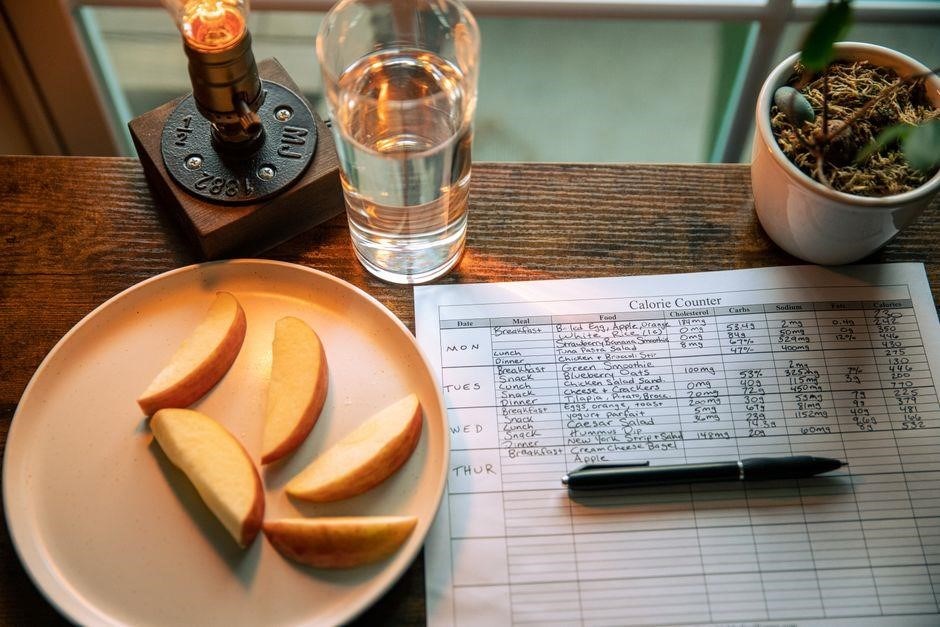
Molly Pelletier’s 3‑day plan focuses on gut‑nourishing recipes that avoid common triggers․ Her low‑acid breakfast is a spinach‑and‑mushroom omelet with olive oil․ Lunch features a lentil soup made with carrots, celery, and a splash of low‑fat milk․ Dinner offers baked chicken thigh with roasted sweet potatoes․
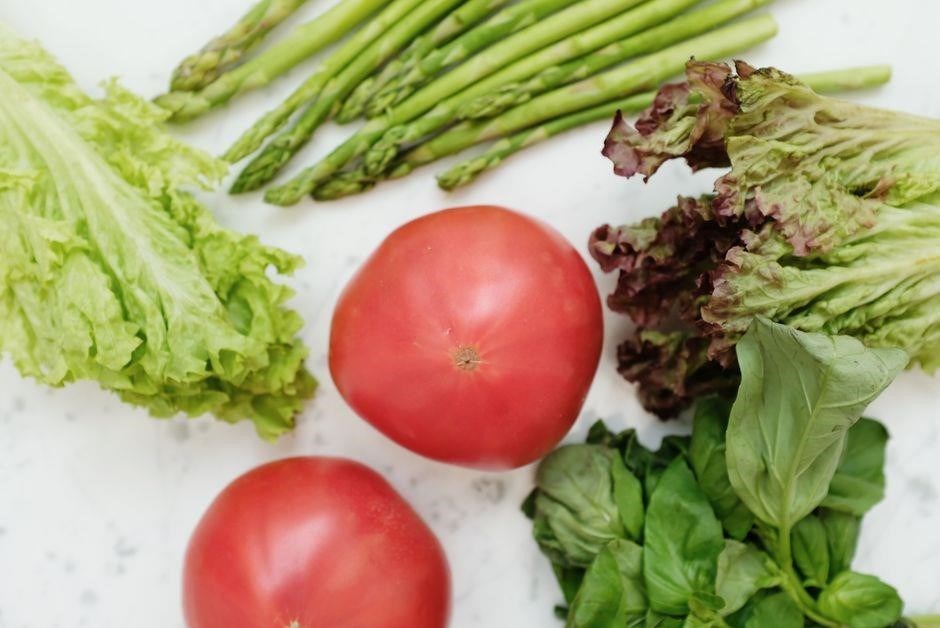
She recommends a nighttime snack of banana․
The e‑Surgery․com 7‑Day Acid Reflux Planner includes a structured schedule: Monday’s breakfast is a bowl of low‑fat Greek yogurt with honey and sliced peaches, lunch is a turkey sandwich on whole‑grain bread with lettuce, and dinner is a grilled salmon fillet with quinoa and steamed asparagus․
Lunch also offers a quinoa salad with cucumber, avocado, and a lemon‑free dressing, grilled chicken․
Lunch also offers a quinoa salad with cucumber, avocado, and a lemon‑free dressing, grilled chicken․
Lunch also offers a quinoa salad with cucumber, avocado, and a lemon‑free dressing, grilled chicken․
Lunch also offers a quinoa salad with cucumber, avocado, and a lemon‑free dressing, grilled chicken․
Lunch also offers a quinoa salad with cucumber, avocado, and a lemon‑free dressing, grilled chicken․
Lunch also offers a quinoa salad with cucumber, avocado, and a lemon‑free dressing, grilled chicken․
Lunch also offers a quinoa salad with cucumber, avocado, and a lemon‑free dressing, grilled chicken․
Lunch also offers a quinoa salad with cucumber, avocado, and a lemon‑free dressing, grilled chicken․
Lunch also offers a quinoa salad with cucumber, avocado, and a lemon‑free dressing, grilled chicken․
Lunch also offers a quinoa salad with cucumber, avocado, and a lemon‑free dressing, grilled chicken․
Lunch also offers a quinoa salad with cucumber, avocado, and a lemon‑free dressing, grilled chicken․
Lunch also offers a quinoa salad with cucumber, avocado, and a lemon‑free dressing, grilled chicken․
Lunch also offers a quinoa salad with cucumber, avocado, and a lemon‑free dressing, grilled chicken․
Lunch also offers a quinoa salad with cucumber, avocado, and a lemon‑free dressing, grilled chicken․
Lunch also offers a quinoa salad with cucumber, avocado, and a lemon‑free dressing, grilled chicken․
Lunch also offers a quinoa salad with cucumber, avocado, and a lemon‑free dressing, grilled chicken․
Lunch also offers a quinoa salad with cucumber, avocado, and a lemon‑free dressing, grilled chicken․
Lunch also offers a quinoa salad with cucumber, avocado, and a lemon‑free dressing, grilled chicken․
Lunch also offers a quinoa salad with cucumber, avocado, and a lemon‑free dressing, grilled chicken․
Lunch also offers a quinoa salad with cucumber, avocado, and a lemon‑free dressing, grilled chicken․
Lunch also offers a quinoa salad with cucumber, avocado, and a lemon‑free dressing, grilled chicken․
Lunch also offers a quinoa salad with cucumber, avocado, and a lemon‑free dressing, grilled chicken․
Lunch also offers a quinoa salad with cucumber, avocado, and a lemon‑free dressing, grilled chicken․
Lunch also offers a quinoa salad with cucumber, avocado, and a lemon‑free dressing, grilled chicken․
Lunch also offers a quinoa salad with cucumber, avocado, and a lemon‑free dressing, grilled chicken․
Lunch also offers a quinoa salad with cucumber, avocado, and a lemon‑free dressing, grilled chicken․
Lunch also offers a quinoa salad with cucumber, avocado, and a lemon‑free dressing, grilled chicken․
Lunch also offers a quinoa salad with cucumber, avocado, and a lemon‑free dressing, grilled chicken․
Lunch also offers a quinoa salad with cucumber, avocado, and a lemon‑free dressing, grilled chicken․
Lunch also offers a quinoa salad with cucumber, avocado, and a lemon‑free dressing, grilled chicken․
Lunch also offers a quinoa salad with cucumber, avocado, and a lemon‑free dressing, grilled chicken;
Lunch also offers a quinoa salad with cucumber, avocado, and a lemon‑free dressing, grilled chicken․
Lunch also offers a quinoa salad with cucumber, avocado, and a lemon‑free dressing, grilled chicken․
Lunch also offers a quinoa salad with cucumber, avocado, and a lemon‑free dressing, grilled chicken․
Lunch also offers a quinoa salad with cucumber, avocado, and a lemon‑free dressing, grilled chicken․
Lunch also offers a quinoa salad with cucumber, avocado, and a lemon‑free dressing, grilled chicken․
Lunch also offers a quinoa salad with cucumber, avocado, and a lemon‑free dressing, grilled chicken․
Lunch also offers a quinoa salad with cucumber, avocado, and a lemon‑free dressing, grilled chicken․
Lunch also offers a quinoa salad with cucumber, avocado, and a lemon‑free dressing, grilled chicken․
Lunch also offers a quinoa salad with cucumber, avocado, and a lemon‑free dressing, grilled chicken․
Lunch also offers a quinoa salad with cucumber, avocado, and a lemon‑free dressing, grilled chicken․
Lunch also offers a quinoa salad with cucumber, avocado, and a lemon‑free dressing, grilled chicken․
Lunch also offers a quinoa salad with cucumber, avocado, and a lemon‑free dressing, grilled chicken․
Lunch also offers a quinoa salad with cucumber, avocado, and a lemon‑free dressing, grilled chicken․
Lunch also offers a quinoa salad with cucumber, avocado, and a lemon‑free dressing, grilled chicken․
Lunch also offers a quinoa salad with cucumber, avocado, and a lemon‑free dressing, grilled chicken․
Lunch also offers a quinoa salad with cucumber, avocado, and a lemon‑free dressing, grilled chicken․
Lunch also offers a quinoa salad with cucumber, avocado, and a lemon‑free dressing, grilled chicken․
Lunch also offers a quinoa salad with cucumber, avocado, and a lemon‑free dressing, grilled chicken․
Lunch also offers a quinoa salad with cucumber, avocado, and a lemon‑free dressing, grilled chicken․
Lunch also offers a quinoa salad with cucumber, avocado, and a lemon‑free dressing, grilled chicken․
Lunch also offers a quinoa salad with cucumber, avocado, and a lemon‑free dressing, grilled chicken․
Lunch also offers a quinoa salad with cucumber, avocado, and a lemon‑free dressing, grilled chicken․
Inclusion of Gut‑Nourishing Recipes
One of the most compelling features of a well‑crafted acid reflux diet PDF is its emphasis on gut‑friendly dishes that soothe the esophagus while feeding the microbiome․ The 3‑day plan by Molly Pelletier, for example, showcases a breakfast of spinach‑and‑mushroom omelet cooked with a touch of olive oil, a lunch of lentil soup enriched with carrots, celery, and a splash of low‑fat milk, and a dinner of baked chicken thigh paired with roasted sweet potatoes․ These dishes are intentionally low in fat and free from common irritants such as citrus, tomatoes, and caffeine, yet they provide ample protein, soluble fiber, and prebiotic fibers that help maintain a healthy gut flora․ The inclusion of fermented foods—such as plain yogurt or kefir—offers probiotics that can reduce inflammation and improve digestion․ In addition, the PDF often recommends simple smoothies made from ripe bananas, ripe pears, or cooked apples blended with oat milk, which deliver gentle sweetness without triggering reflux․ The meal plan also encourages the use of whole grains like quinoa, brown rice, and oatmeal, which are high in fiber and help stabilize stomach acid levels․ By incorporating these gut‑nourishing recipes, the PDF not only targets immediate reflux relief but also supports long‑term digestive health, making it a valuable resource for anyone seeking to manage GERD through diet․
Portion Control and Timing Guidelines
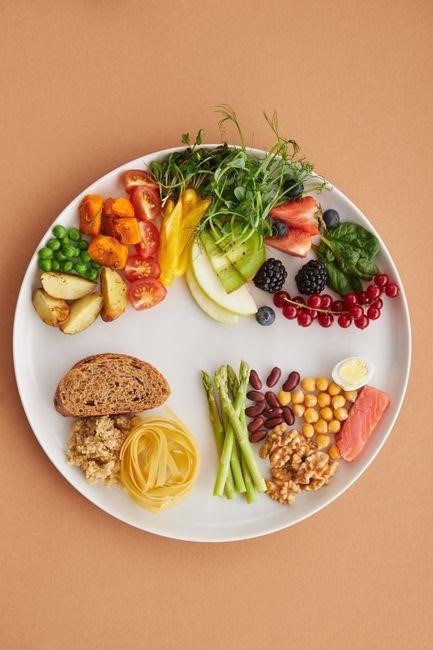
Effective portion control is the cornerstone of an acid‑reflux‑friendly diet․ By limiting the volume of each meal, you reduce gastric distension and lower the likelihood of reflux episodes․ A printable PDF can provide visual cues—such as a “hand‑size” reference for protein, a “half‑plate” guideline for vegetables, and a “quarter‑plate” rule for grains—to help users gauge appropriate servings without the need for measuring cups․ Portion sizes should be modest: aim for a 3‑inch protein portion, a 2‑inch vegetable portion, and a 1‑inch grain portion․ This balanced approach keeps stomach pressure in check while still delivering essential nutrients․
Timing is equally critical․ The PDF should recommend eating smaller, more frequent meals—four to five times a day—rather than three large ones․ This strategy prevents the stomach from becoming overly full, which can trigger reflux․ Additionally, the document should advise waiting at least 2 to 3 hours after eating before lying down or engaging in vigorous activity․ This interval allows the stomach to empty partially, reducing the chance that acid will travel back into the esophagus during sleep or movement․ For those who experience nighttime symptoms, the PDF can suggest a light snack, such as a banana or a handful of almonds, 30 minutes before bedtime to buffer acid․
Another useful feature is a “meal‑clock” schedule that aligns eating windows with circadian rhythms․ A typical plan might propose breakfast at 7:00 am, a mid‑morning snack at 10:00 am, lunch at 12:30 pm, an afternoon snack at 3:30 pm, dinner at 6:30 pm, and a light evening snack at 8:30 pm․ By adhering to consistent intervals, users can train their digestive system to anticipate food intake, which may mitigate sudden acid surges․ The PDF can also include a printable chart where individuals record their meal times and any reflux symptoms, enabling them to identify patterns and adjust portions accordingly․
Finally, the document should emphasize mindful eating practices․ Encourage users to chew slowly, savor flavors, and pause between bites․ Mindful eating reduces the likelihood of overeating and promotes better digestion․ By integrating clear portion visuals, strategic timing, and behavioral cues, a well‑designed PDF empowers individuals to manage acid reflux proactively and sustainably․
Customizable Templates for Personalization
Personalization is the cornerstone of effective acid reflux management․ A well‑designed PDF template allows you to adjust portion sizes, swap ingredients, and schedule meals around your daily routine․ By starting with a flexible framework, you can tailor the plan to fit dietary restrictions—gluten‑free, low‑fat, or dairy‑free—without compromising the low‑acid foundation․
- Editable Meal Slots: Each day’s breakfast, lunch, dinner, and snack slots can be filled with your preferred foods․ The template’s grid format keeps the structure intact while giving you the freedom to experiment with new recipes․
- Ingredient Swaps: Replace high‑acid items with alternatives that maintain flavor․ For example, swap orange juice for a pear smoothie or use quinoa instead of rice for a lighter texture․
- Portion Control Guides: Built‑in portion markers help you stay within recommended serving sizes, reducing the likelihood of overconsumption that triggers reflux․
- Timing Reminders: Integrated notes remind you to eat smaller, more frequent meals and to avoid lying down within two hours of eating․
- Progress Tracking: A simple log section lets you record symptoms, meal times, and mood, providing data for future adjustments․
- Color‑Coding: Assign colors to meal categories (e․g․, low‑fat, high‑fiber) for quick visual reference during grocery shopping or meal prep․
- Notes & Comments: Add personal observations or dietary preferences directly into the PDF, ensuring the plan evolves with your needs․
Because the template is printable, you can keep a physical copy for quick reference and a digital copy for editing on the go․ Many providers, such as Nutrition Resolution and e‑Surgery․com, offer downloadable PDFs that come pre‑formatted yet fully editable, ensuring you have a personalized plan that evolves with your lifestyle․ By leveraging these customizable features, you gain control over your diet, reduce flare‑ups, and create a sustainable eating routine that supports long‑term digestive health․

Popular Acid Reflux Diet PDF Resources
Explore top PDFs: Nutrition Resolution’s 7‑Day GERD plan offers low‑acid meals, Molly Pelletier’s 3‑day guide features gut‑friendly recipes, and e‑Surgery․com supplies a customizable 7‑day planner to track and adjust meals for optimal relief․Start healing nowfast
7‑Day GERD Diet Plan by Nutrition Resolution
Nutrition Resolution’s 7‑day GERD diet PDF is a comprehensive, printable guide designed to deliver rapid relief from acid reflux symptoms․ The plan features a balanced menu of low‑acid breakfasts, lunches, dinners, and snacks, each carefully selected to soothe the esophagus while providing essential nutrients․ By following the daily schedule, users can maintain consistent meal timing, avoid common triggers, and monitor portion sizes—all key factors in managing GERD․ The PDF includes detailed ingredient lists, preparation instructions, and nutritional information, enabling patients to customize portions or swap foods based on personal tolerance․ Additionally, the document offers practical tips for grocery shopping, meal prep, and mindful eating practices that support long‑term digestive health․ With clear, step‑by‑step guidance, this resource empowers individuals to take control of their diet, reduce heartburn episodes, and improve overall quality of life․ Download the PDF today and start your journey toward a calmer, healthier stomach․
This PDF also includes a handy grocery list, portion size visuals, and a quick‑reference chart for meal timing, ensuring you stay on track even during busy days․ By integrating this structured plan into your routine, you can experience noticeable symptom reduction within days, while building healthier eating habits that support long‑term digestive wellness․
Feel confident knowing the PDF’s evidence‑based recommendations are backed by clinical research, and its user‑friendly layout helps track progress, adjust portions, and celebrate the way․
e‑Surgery․com 7‑Day Acid Reflux Planner
e‑Surgery․com offers a comprehensive 7‑day acid reflux planner designed to help patients track and adjust their eating habits for optimal symptom control․ The printable PDF presents a clear, day‑by‑day layout that includes breakfast, lunch, dinner, and snack slots, allowing users to log what they eat and how it affects their reflux․ Each day is structured around low‑acid, gut‑friendly options such as oatmeal, boiled vegetables, lean proteins, and herbal teas, while avoiding common triggers like citrus, chocolate, and fried foods․ The planner also incorporates portion‑size guidelines and recommended meal timing to prevent late‑night reflux episodes․ Users can annotate the PDF with notes on heartburn severity, sleep quality, and overall wellbeing, creating a personalized record that can be shared with healthcare providers for more informed treatment decisions․ By consistently following the planner, patients often notice a reduction in nighttime symptoms, improved digestion, and a clearer sense of control over their daily diet․ The PDF’s user‑friendly format encourages regular use, making it an essential tool for anyone seeking a structured, evidence‑based approach to managing GERD․ The planner’s layout also includes a symptom tracker, hydration log, and grocery list, enabling patients to plan meals ahead and avoid last‑minute triggers․ By printing the PDF and filling it out daily, users create a record that can be reviewed by dietitians or doctors during follow‑up appointments, ensuring dietary adjustments are evidence‑based and tailored to individual needs for better health․!