Overview of instructions schedule f
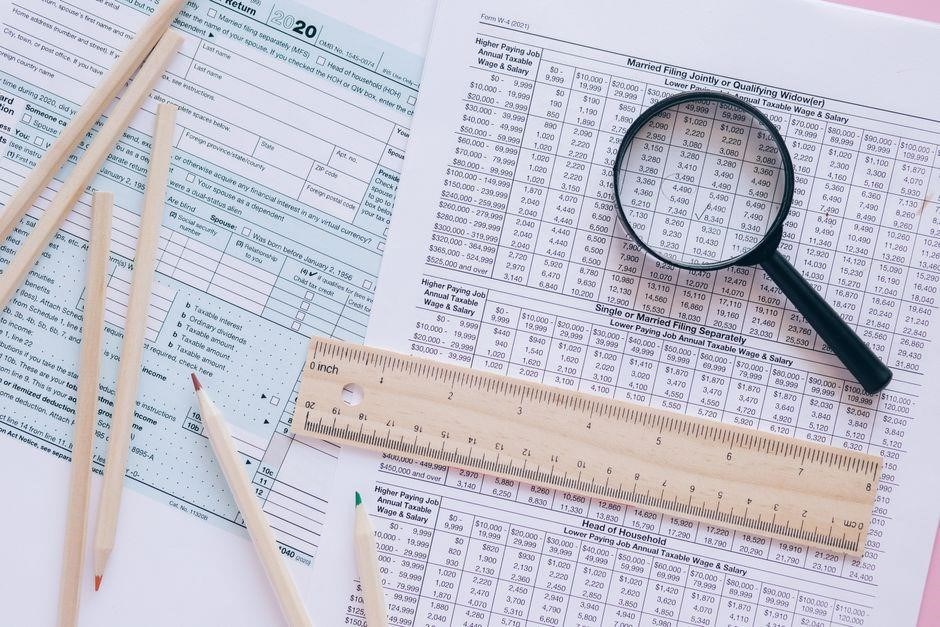
The instructions schedule f guide outlines the steps for reporting farm income and expenses‚ detailing required forms‚ schedules‚ and worksheets. It explains how to calculate gross receipts‚ deductable costs‚ and apply depreciation‚ ensuring compliance with IRS rules for agricultural taxpayers. and and!!
Purpose and scope of schedule f
Schedule F is the primary form for reporting income and expenses from a farm or ranch that is operated as a sole proprietorship‚ partnership‚ or corporation. The purpose of the schedule is to provide the IRS with a detailed breakdown of all farm‑related revenue‚ costs‚ and net profit or loss. It allows taxpayers to calculate the taxable income from agricultural activities and to claim deductions that are specific to farming‚ such as seed‚ fertilizer‚ feed‚ and machinery depreciation. The scope of Schedule F extends to all activities that produce agricultural products‚ including crop production‚ livestock‚ dairy‚ and poultry. It also covers ancillary services such as crop insurance premiums‚ cooperative membership dues‚ and the sale of by‑products. The form requires the taxpayer to report gross receipts‚ cost of goods sold‚ and operating expenses‚ and to reconcile these figures with the net income reported on the main Form 1040. By completing Schedule F‚ farmers can ensure they comply with federal tax laws‚ accurately reflect their business operations‚ and take advantage of tax incentives designed to support the agricultural sector. Schedule F also serves as a tool for farmers to document tax credits‚more such as renewable energy credits for on‑farm solar installations‚ and to report income from conservation easements. The schedule requires meticulous record‑keeping‚ including receipts and mileage logs‚ to substantiate deductions. By completing Schedule F accurately‚ taxpayers can avoid audit triggers and ensure compliance with the Internal Revenue Code.
Relationship to Form 1040
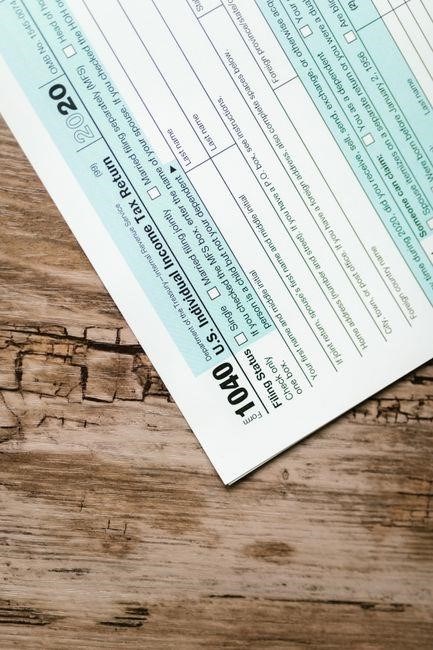
Schedule F is filed alongside Form 1040 to report farm income and expenses that are not captured on the standard income tax return. The net profit or loss calculated on Schedule F is transferred to line 1 of Schedule C or directly to the appropriate line on Form 1040‚ depending on the taxpayer’s filing status. For sole proprietors‚ the Schedule F result feeds into the Schedule C “Profit or Loss from Business” section‚ which then flows into the main return. Partnerships and corporations report Schedule F figures on their partnership return (Form 1065) or corporate return (Form 1120)‚ and the resulting profit is allocated to partners or shareholders and reported on the individual Form 1040 via Schedule E. The IRS requires that all farm‑related income and deductions be fully documented on Schedule F to ensure accurate tax liability. Failure to reconcile Schedule F with Form 1040 can trigger audits or penalties. The relationship between the two forms is governed by the Internal Revenue Code sections that mandate the inclusion of agricultural income in the taxpayer’s gross income‚ and the deduction of legitimate farm expenses to arrive at the taxable income reported on Form 1040. Accurate completion of Schedule F thus directly influences the taxpayer’s overall tax liability‚ credit eligibility‚ and compliance status. Additionally‚ Schedule F requires the taxpayer to complete the Depreciation Worksheet‚ which calculates the depreciation expense for farm equipment‚ structures‚ and land improvements. The depreciation amounts are reported on Form 4562 and then transferred to the appropriate line on Form 1040. The schedule also includes a section for reporting non‑cash income‚ such as barter transactions‚ which must be valued at fair market value and included in gross receipts. Supporting documentation‚ including receipts‚ invoices‚ and mileage logs‚ must be retained for at least three years to substantiate the deductions claimed. The IRS provides line‑by‑line instructions to guide taxpayers through the process‚ ensuring that each entry is correctly mapped to the corresponding line on Form 1040. By maintaining accurate records and following the instructions‚ farmers can avoid common pitfalls that lead to under‑reporting or over‑deducting‚ thereby protecting their tax position. Schedule F also requires the reporting of any conservation credits earned‚ such as those for planting trees or installing irrigation systems. These credits are claimed on Form 4562 and reflected on the main return. The schedule’s instructions emphasize distinguishing ordinary expenses from capital expenditures‚ ensuring proper depreciation treatment. Taxpayers must keep detailed records‚ including receipts and mileage logs‚ to substantiate deductions and avoid audit triggers. All entries accurate.!!
Eligibility and filing thresholds
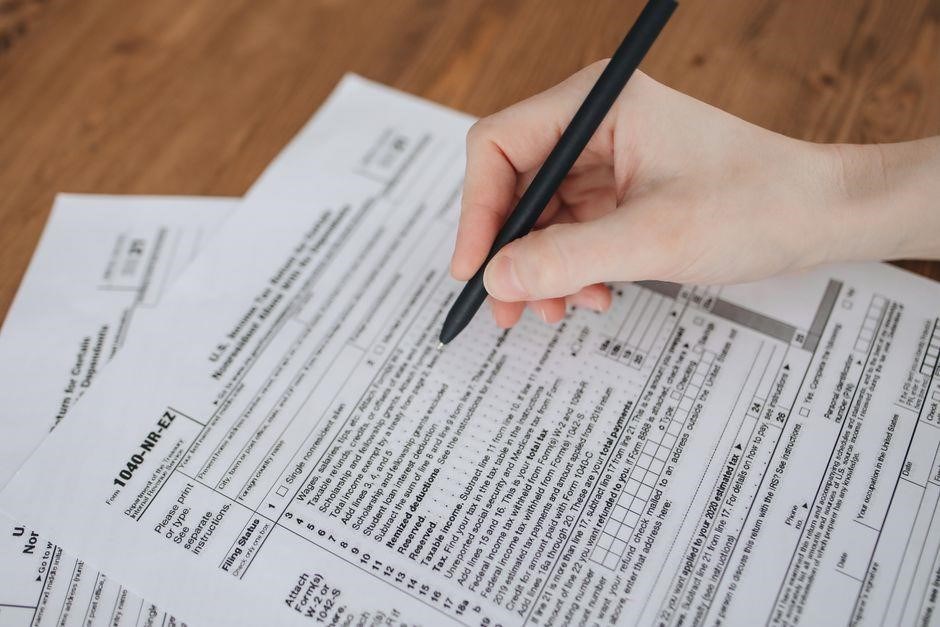
Farmers must file Schedule F if they have any farm income or expenses. The threshold is $600 in gross receipts or if you are a farmer or rancher with a net profit or loss. Even if below $600‚ you must file if you are a farmer or rancher. The IRS requires reporting of all farm activity. File with Form 1040.
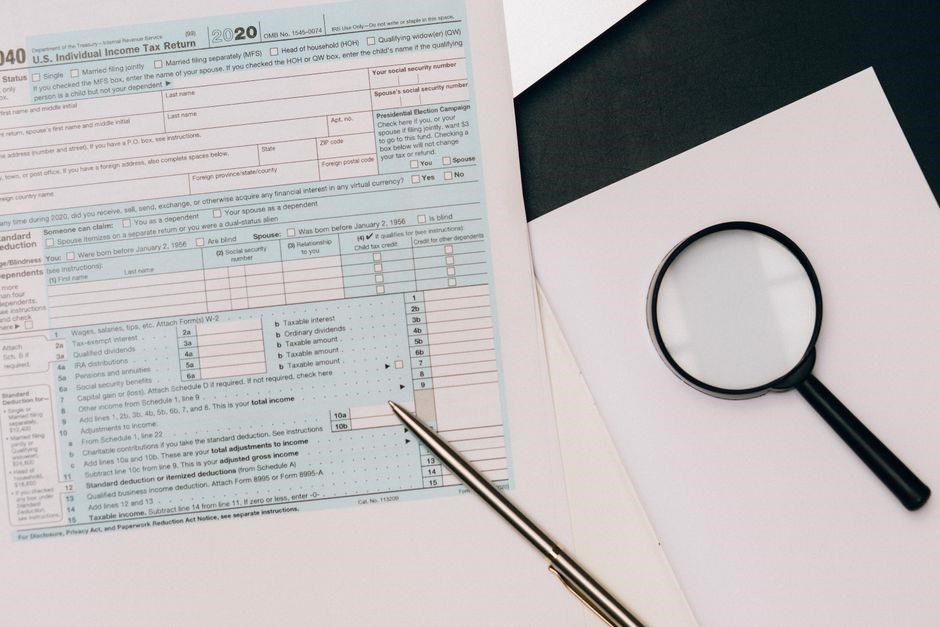
Schedule F is mandatory for farming ranching incur expenses. IRS defines a “farm” as activity that involves cultivating crops‚ raising livestock‚ or harvesting natural resources for sale or use. Following business types must file:
- Crop producers: Farmers growing cereals‚ fruits‚ vegetables‚ or specialty crops such as vineyards or orchards.
- Livestock operators: Ranchers raising cattle‚ sheep‚ pigs‚ poultry‚ or other animals for meat‚ dairy‚ wool‚ or breeding purposes.
- Mixed‑use farms: Operations that combine crop and livestock production‚ or that include aquaculture and greenhouse cultivation.
- Natural resource managers: Those harvesting timber‚ fishing‚ or grazing on public or private lands for commercial benefit.
- Co‑operative members: Individuals who receive income from a farm cooperative‚ even if they do not own land.
- Farm‑related service providers: Contractors‚ consultants‚ or advisors who receive compensation for services directly tied to farm operations.
file to claim a loss todaynow.
Instructions schedule f provide guidance for farmers on how to report income and expenses. They cover required forms‚ schedules‚ and worksheets‚ and explain how to calculate gross receipts‚ deductable costs‚ and apply depreciation. This ensures compliance with IRS rules for agriculturals taxpayers.
Income thresholds and exemptions
Schedule F requires filing when a farming operation’s gross income exceeds the standard personal exemption threshold or when the taxpayer elects to report farm income on a separate schedule. For 2025‚ the IRS set the filing threshold at $400‚000 of gross farm receipts‚ but this figure is adjusted annually for inflation. If a farmer’s gross receipts are below this threshold‚ they may still file Schedule F to claim deductions that could reduce taxable income or to carry forward losses to future years. However‚ if the total income from all sources‚ including non‑farm income‚ is less than the standard deduction for the taxpayer’s filing status‚ they may choose to report farm income on Form 1040 without attaching Schedule F‚ provided no other farm‑specific deductions are claimed. Certain small‑holder programs offer exemptions: for example‚ family farms with fewer than 10 employees and annual receipts under $50‚000 can qualify for simplified reporting under the “Simplified Farm Reporting” rules‚ which allow a flat deduction instead of itemizing expenses. The IRS also provides a “deemed income” exemption for farmers who receive government assistance payments that are not considered taxable income if the payments are used directly for farm expenses. The “farm loss carryover” rule permits losses to offset future taxable income‚ effectively lowering the threshold for subsequent years. All of these thresholds and exemptions are detailed in the Schedule F instructions‚ which provide worksheets to calculate the exact filing requirement based on the taxpayer’s specific situation.

Thresholds may varyby year.

Key income categories on schedule f

Schedule F reports crop sales‚ livestock sales‚ dairy products‚ and other agricultural products. It also includes farm‑related services like ag‑tourism‚ and non‑farm income tied to the operation. Each category must be detailed to compute net farm profit or loss. Rental income from land leasing and.!!

Gross receipts and sales
Schedule F requires farmers to report all income derived from the sale of crops‚ livestock‚ dairy products‚ and other farm‑produced goods. Gross receipts include the full amount received before any deductions‚ such as discounts‚ returns‚ or sales tax collected on behalf of the government. The IRS provides worksheets to calculate total gross receipts for each product line. For example‚ a corn farmer lists the total revenue from corn sales‚ subtracts returns or allowances‚ and reports the net figure. A dairy operation reports milk sales‚ cheese production‚ and related by‑products. Farmers may also include income from farm‑related services‚ such as ag‑tourism‚ equipment rentals‚ or consulting. The instructions emphasize that all income‚ even if paid in installments or via promissory notes‚ must be recorded in the year it is received. When multiple crops or livestock are sold‚ each category is reported separately to facilitate accurate calculation of overall farm profit. The schedule also requires taxpayers to disclose income received from the sale of land or equipment that is part of the farm operation. Finally‚ the instructions remind taxpayers to keep detailed records‚ including invoices‚ receipts‚ and bank statements‚ to substantiate the reported gross receipts and comply with audit requirements. This documentation ensures that the farmer can defend the reported figures and avoid penalties for underreporting income. Accurate reporting of gross receipts is the foundation for determining net farm profit‚ which ultimately impacts the taxpayer’s overall tax liability on Form 1040. Now!
Other taxable income sources
Schedule F also captures income that is not directly tied to crop or livestock sales but still derives from the farm’s operations. This includes proceeds from the sale of farm‑related equipment‚ machinery‚ or land that is part of the farm business. Income earned from leasing or renting out farm property‚ such as barns‚ silos‚ or pasture‚ is reported on line 6. Farmers who provide services—like hay‑cutting‚ grain storage‚ or ag‑consulting—must record the fees received‚ even if the service is performed for non‑farm clients. Additionally‚ the instructions allow for reporting income from ag‑tourism activities‚ farm tours‚ pick‑your‑own produce events‚ or on‑farm lodging‚ provided the activity is part of the farm’s regular business. Income from the sale of by‑products‚ honey‚ eggs‚ or wool‚ is also included. The IRS requires that all such income be reported in the year it is received‚ regardless of whether the payment is made in cash‚ check‚ or electronic transfer; Farmers should maintain detailed records—contracts‚ invoices‚ and bank statements—to substantiate each entry. Failure to report these sources can result in penalties and interest. Proper reporting ensures accurate calculation of net farm profit‚ which feeds into the taxpayer’s overall tax liability on Form 1040. This section is crucial for compliance and for maximizing allowable deductions. Finally‚ any income derived from the sale of farm‑related intellectual property‚ patented seed varieties or proprietary farming methods‚ must also be reported‚ as it is considered taxable under the farm income rules. All entries must be accompanied by the appropriate supporting documentation‚ as outlined in the Schedule F instructions!
Common deductions and expenses
Schedule F permits deductions for farm expenses such as feed‚ seed‚ fertilizer‚ fuel‚ repairs‚ insurance‚ utilities‚ and depreciation. It also allows for home‑office costs‚ travel‚ and professional services directly related to the farm business. These deductions reduce taxable income‚ improving cash fl.now
Business expense categories
Schedule F provides a comprehensive framework for farmers to report income and expenses. It requires detailed records of all transactions‚ including sales‚ purchases‚ and operational costs. The form is divided into sections that capture gross receipts‚ cost of goods sold‚ and various deductible expenses. Farmers must report seed‚ fertilizer‚ feed‚ veterinary services‚ and labor wages‚ as well as the depreciation of farm equipment and buildings. Indirect costs such as utilities‚ insurance‚ and property taxes must be allocated between farm and non‑farm activities using a reasonable method. The schedule also allows deductions for professional services‚ home‑office expenses‚ and travel related to farm management. Depreciation is calculated under MACRS‚ with recovery periods based on asset type. Amortization applies to intangible assets like patents or trademarks used in the business. Proper documentation‚ including invoices‚ receipts‚ and depreciation schedules‚ is essential for substantiating each deduction. Farmers should also review applicable state tax provisions to ensure full compliance across jurisdictions. Additionally‚ maintaining an organized filing system helps streamline year‑end reporting and eases audit preparation. Thanks
xxxxxxxxxxxxxxxxxxxxxxxxx
Depreciation and amortization rules
Schedule F requires farmers to use the Modified Accelerated Cost Recovery System (MACRS) for tangible farm property. Eligible assets—tractors‚ barns‚ irrigation—receive recovery periods of 5‚ 7‚ 10‚ or 15 years per IRS property classes. The first‑year allowance follows the half‑year convention unless a mid‑year election is made. Assets placed in service after 2025 use the 2025 recovery period; those in 2026 use the 2026 period. Depreciation is computed via straight‑line or declining‑balance methods‚ with IRS tables providing percentages. Intangible assets such as patents or software are amortized over 15 years straight‑line. Farmers must keep a depreciation schedule listing asset description‚ cost‚ recovery period‚ and annual deduction‚ attach it to the return‚ and retain it for five years. Mixed‑use assets are prorated by farm use percentage. The IRS mandates reconciliation of depreciation and amortization on Schedule F with amounts on Form 1040 to ensure consistency. Bonus depreciation under the Tax Cuts and Jobs Act allows a 100% first‑year deduction for equipment acquired after 2017 and placed in service before 2026‚ but 2026 reverts to standard MACRS unless a special election is filed. “Farm‑specific” rules permit a 7‑year period for crop‑production machinery. All calculations must be supported by a detailed worksheet that includes original cost‚ salvage value‚ recovery period‚ and method. Failure to document can lead to disallowance. Proper record‑keeping maximizes tax benefits and supports audit readiness. Farmers should also review Section 179 expensing limits and phase‑out rules to ensure proper accounting of high‑value equipment‚ and consider the impact of the 2026 depreciation schedule on their cash flow projections. Maintaining a detailed depreciation schedule not only satisfies tax compliance but also provides valuable insights for future capital investment decisions. Additionally‚ documenting the basis and useful life of each asset aids in accurate depreciation calculations and supports audit readiness and
Filing procedures and deadlines
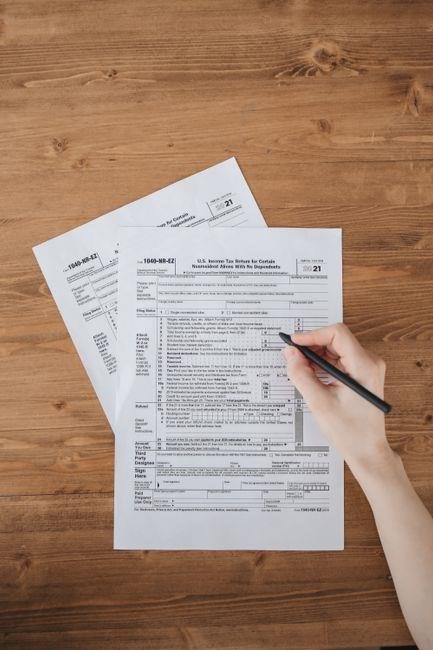
Filing Schedule F follows the same calendar as Form 1040. The due date is April 15‚ unless an extension is requested by filing Form 4868 before that date‚ extending the deadline to October 15. Electronic filing is encouraged; the IRS accepts e‑filing for Schedule F through the e‑File system or approved tax‑prep software. Paper returns must be mailed to the address listed in the 2025 instructions‚ with the envelope pre‑stamped for the correct state. The IRS recommends sending the return at least 10 business days before the deadline to avoid postal delays. If a taxpayer is subject to the 90‑day filing rule—such as a farmer with a net loss who must file by the 90th day after the end of the tax year—the deadline is automatically extended to the later of the 90th day or the regular due date. For farmers using the 2025 tax year‚ the 90th day falls on July 4‚ 2025. Penalties for late filing are 5% of the unpaid tax per month‚ capped at 25%‚ and interest accrues daily. Farmers should review the “Schedule F Filing Checklist” in the 2025 instructions to ensure all required attachments—such as the income statement‚ expense worksheet‚ and depreciation schedule—are included. Missing attachments can trigger a delay in processing and potential audit triggers. Finally‚ keep a copy of the filed return and all supporting documents for at least five years‚ as the IRS may request them for audit purposes.
Farmers who file electronically can receive confirmation within minutes‚ and the IRS provides real‑time status updates. If a paper return is mailed‚ it is advisable to use certified mail and retain the receipt as proof of delivery.
Keep copies of all attachments for filing.